How the Right Roofing Contractor Helps You Avoid Future Problems
Choosing a roofing contractor is a big deal for any homeowner. Your roof isn't just a cover; it's your home's shield against weather, moisture, and wear. If it's done right, you won't have to think about it for years. But if things go sideways, you might face leaks, mold, and costly repairs that could have been avoided.
This guide is all about picking the right roofing contractor to dodge future headaches. We'll cover what sets good contractors apart, how roofing trends are shifting, red flags to watch out for, and how to size up a team before you sign any contracts. Whether you're looking at roof installation or planning a roof replacement, knowing these details can save you time, money, and stress.
If you're in a storm-prone area like Florida, choosing the right contractor is even more important. A small mistake can turn into a big problem with our weather. A savvy contractor can help you sidestep these issues by using the right materials and following local codes. According to the Federal Emergency Management Agency, good construction and maintenance are key to reducing storm damage and boosting home resilience.
Why the Contractor You Choose Matters More Than You Think
Roofing is a system, not just shingles.
A lot of folks think roofing is just about the outer layer. But it's really a whole system. Decking, underlayment, flashing, vents, gutters, fasteners, and roof coverings all need to work together. Even a strong product can fail if one part of the system isn't installed right. So, the contractor is just as important as the materials.
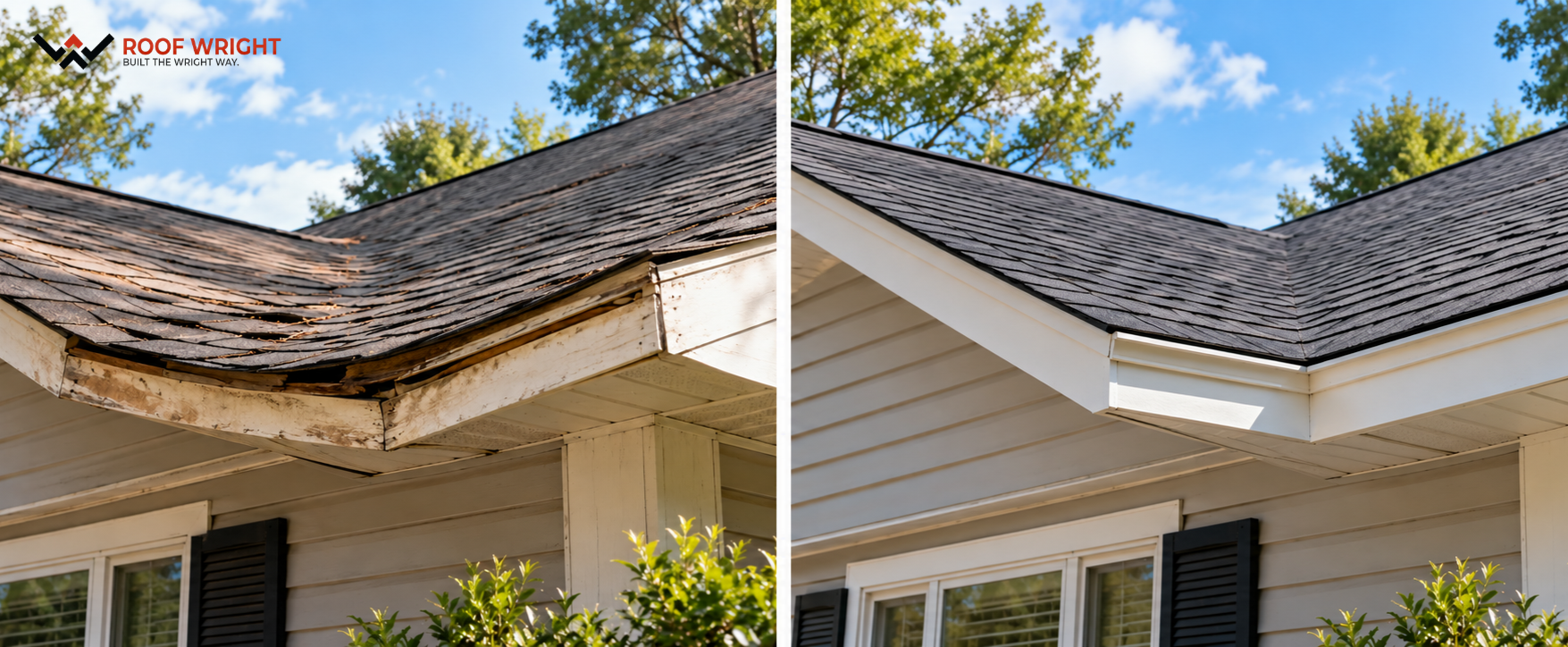
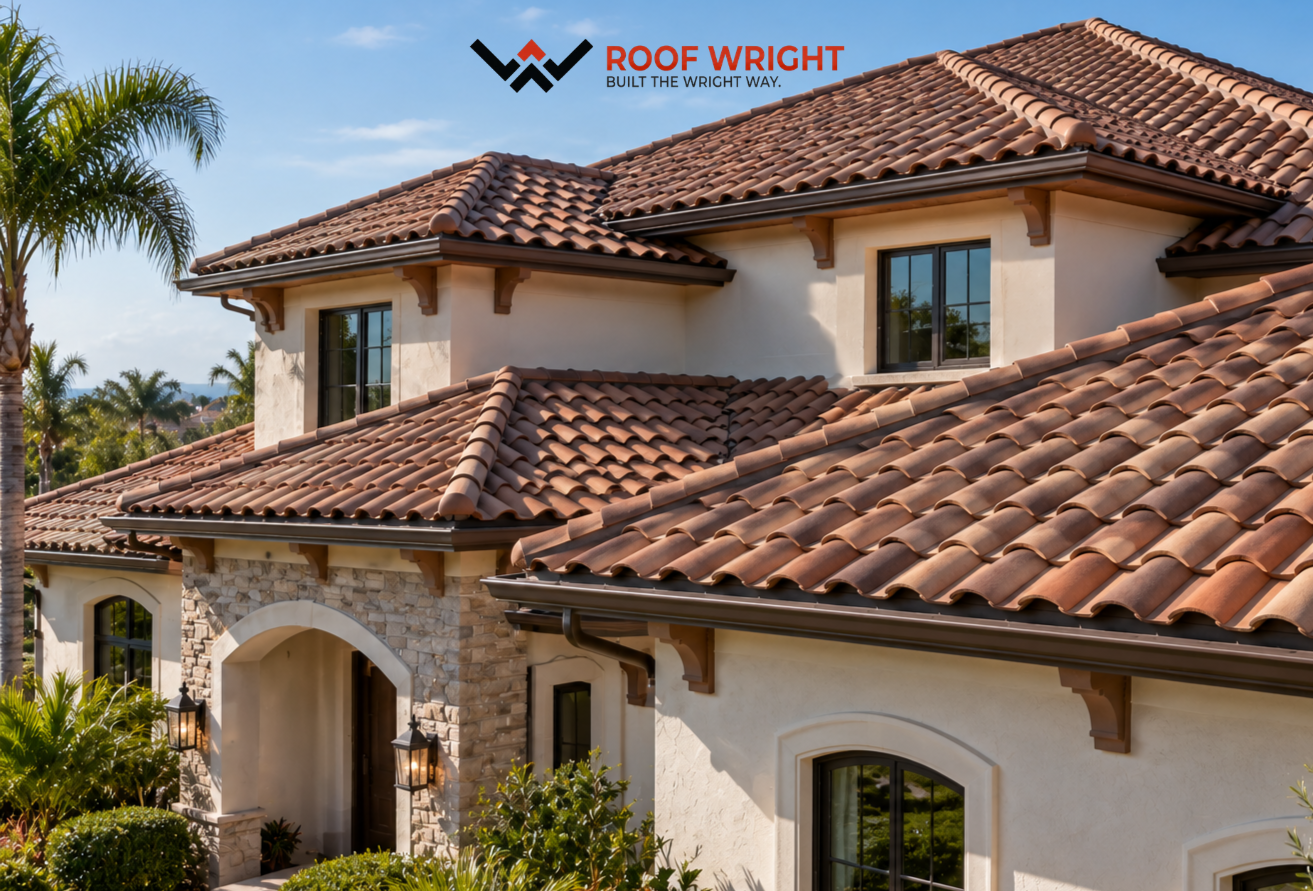
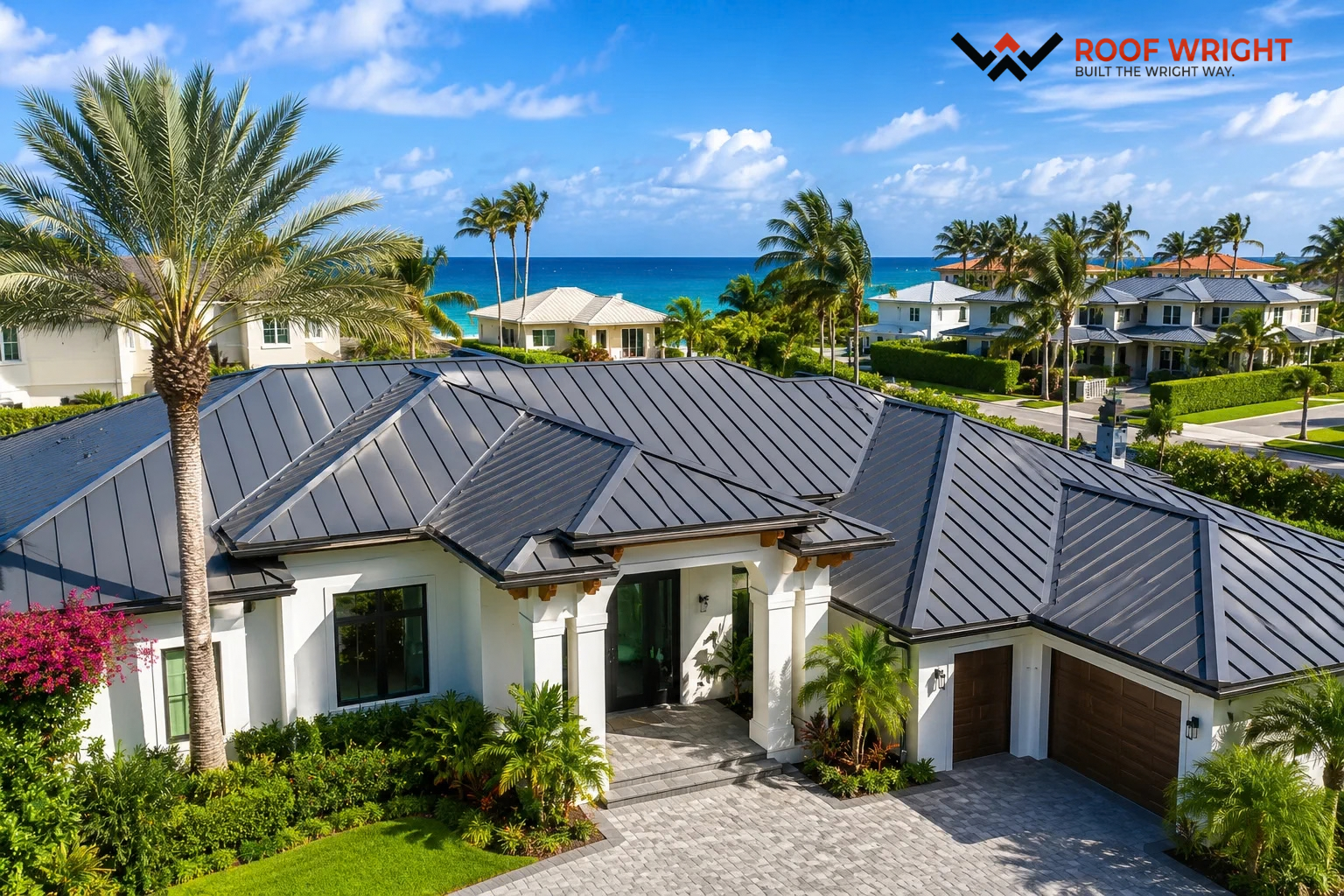
Pros know how water moves across a roof and where weak spots might pop up. If a contractor focuses only on the outer layer and ignores what's underneath, you're likely to have hidden issues later. This is especially true for specific projects like metal roofs or tile roofs, which have unique requirements.
Improper installation is the leading cause of early roof failure
Research shows that installation errors are a major reason roofs don't last as long as they should. Often, it's not the product's fault but poor workmanship or shortcuts to keep bids low. The cheapest estimate can become the most expensive choice over time.
When a contractor rushes, problems might not show up right away. Small mistakes like a flashing gap or misaligned shingles might survive the first rainstorm. But months later, those errors can cause big issues like ceiling stains or attic moisture. If you want to learn more about warning signs, check out our article on water stains on your ceiling.
Current Roofing Industry Trends That Affect Homeowners
Technology is improving accuracy and efficiency.
The roofing industry is changing fast. Reports from Roofing Contractor show that AI use among contractors jumped from 29% in 2024 to 40% in 2025. This matters because technology helps contractors estimate projects better, communicate more clearly, and track jobs with fewer errors. Tools like cloud services and digital measurements make companies more organized and responsive.
For homeowners, this means better scheduling, consistent documentation, and less confusion. Contractors using modern tools often keep detailed records, which is helpful if questions come up later about warranty or repair history. An organized process can also cut delays and prevent costly misunderstandings.
Eco-friendly materials are becoming more common.
There's a growing demand for eco-friendly roofing materials. More people are asking about recycled shingles, reflective surfaces, and cool roof options that reduce heat absorption. According to RoofPilot, material innovation is helping meet these demands while improving performance.
If your contractor understands modern materials, they can help you balance durability, appearance, and efficiency. The best solution isn't always the most expensive or the most familiar. It's the system that matches your climate, roof structure, and long-term goals. In sunny areas, reflective surfaces and proper ventilation can reduce heat buildup and keep your home comfortable.
Labor shortages make expertise even more valuable.
The roofing industry is feeling a pinch from a lack of skilled labor. Reports show that 36% of contractors see labor shortages as a big issue, with about 12% of roofing jobs unfilled. Plus, 20% of roofers are over 55, so experienced talent is in high demand. These numbers affect availability, timelines, and quality control.
When skilled workers are in short supply, homeowners need to be pickier. A contractor with solid training and a reliable crew is more likely to deliver good results. That's why it's smart to ask who will actually be working on your roof and how the job will be managed.
What a Quality Roofing Contractor Does Before the First Shingle Goes On
Conducts a comprehensive roof inspection
A good contractor starts with a detailed inspection, not a sales pitch. The best inspections check slopes, flashing, ventilation, gutters, decking, and signs of moisture. They look for soft spots, broken seals, and areas where storm damage might have weakened the system. This helps catch issues before they become costly surprises.
Professional inspections are key because roofs often fail in more than one place at once. A leak might not be from one hole; it could be poor drainage, aging underlayment, and damaged flashing altogether. A thoughtful contractor sees the big picture and recommends solutions based on the roof's full condition. If you're planning, roof repair might be enough for a small issue, while a broader assessment might suggest replacement for long-term value.
Explains materials and performance clearly
The right contractor should explain the pros and cons of each option in plain language. Homeowners need to know how different materials perform in various conditions. For example, asphalt shingles might be cost-effective, while metal and tile roofs offer longer life and better weather resistance.
Clarity matters because it helps you decide based on real needs, not marketing. A good contractor won't pressure you into something you don't understand. They'll help you choose a roof that fits your home, budget, and risk tolerance, reducing regret later and improving the installation.
Provides a written estimate with full scope details
A sign of professionalism is a detailed written estimate. It should list materials, labor expectations, timing, cleanup, and any special conditions. A vague quote leaves room for confusion and surprise fees. A clear estimate protects both you and the contractor.
Written documentation also helps you compare bids fairly. If one contractor is much cheaper, see if they're leaving out necessary steps like drip edge replacement or ventilation updates. Often, a low quote is attractive because it hides future costs. The right contractor makes sure you know what you're paying for.
How Proper Project Management Prevents Roofing Problems Later
Scheduling and communication keep projects on track
Good roofing work is about organization too. Structured project management ensures material delivery, labor allocation, and inspection checkpoints happen in the right order. According to CCR Magazine, organized communication and efficient scheduling are crucial as contractors meet modern expectations.
Poor communication raises risks. Materials might arrive late, crews might misunderstand, and weather delays can leave a roof exposed. A contractor who gives updates and sets expectations helps reduce these risks. This is especially important during storm season, when timing matters.
Quality control catches issues before they become leaks
Experienced contractors build checkpoints into their process. They inspect the deck before installation, verify underlayment, and review completed sections. These steps might seem simple, but they prevent many common failures. A missed seal is easier to fix during installation than after a leak appears.
Experienced crews recognize trouble early. They know where water pools, how wind lifts materials, and what details matter in high-risk areas. This knowledge is valuable whether you're planning a new build or a full replacement with roof installation.
Cleanup and final walkthrough matter more than people think
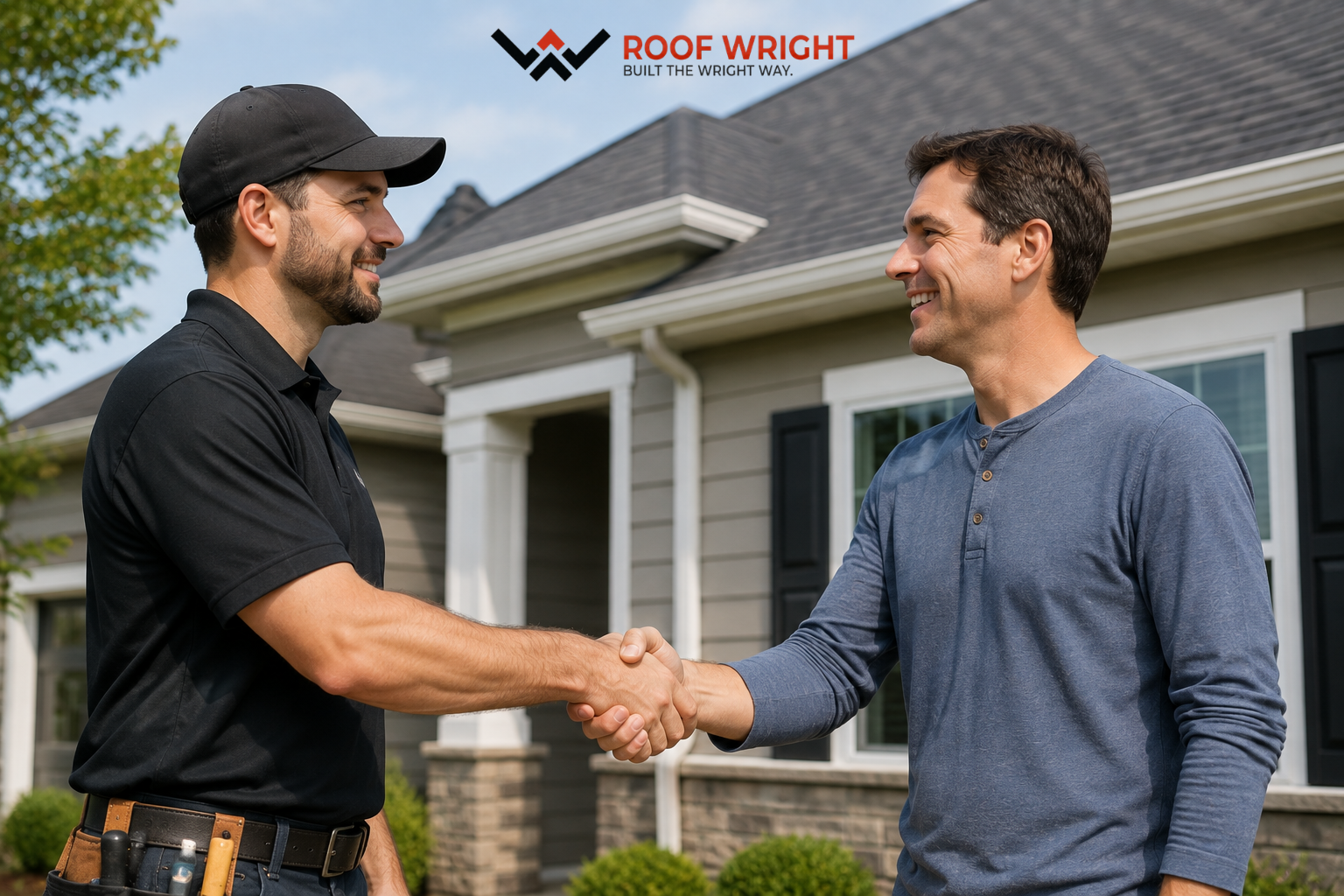
Many homeowners focus on the roof itself and overlook cleanup and final review. A quality contractor removes debris, checks for leftover nails, and confirms all penetrations are sealed. They also walk you through the completed project and answer questions about maintenance and warranty terms.
This last conversation can prevent future problems by teaching you how to care for your roof after installation. You should know what to monitor after storms and when to inspect the attic. A contractor who educates you helps protect the roof long after the crew leaves.
How to Verify a Contractor Before Hiring
Check licensing, insurance, and local presence.
One important step is confirming the contractor is licensed and insured. Ask for proof of insurance and workers’ compensation coverage. Make sure the business has a local presence and can be reached after the project. A reputable contractor will share this info without hesitation.
Florida homeowners should pay attention to local building code knowledge, as roofing rules vary by region. In a climate with high humidity and storms, code compliance is part of protecting the structure. For safety and preparedness tips, Ready.gov is a helpful resource for storm-prone areas.
Ask for references and recent project examples.
References help you learn how the contractor handles problems. Ask if they communicated clearly, finished on time, and addressed concerns. Recent examples are useful as they reflect current crews and materials. If feedback is consistently positive, that's a good sign.
Ask to see work similar to your project. A contractor doing shingle roofing might approach tile or metal differently, so relevant experience matters. Matching expertise to your roof type lowers installation mistakes and ensures good performance.
Review warranty terms carefully.
Roofing warranties can make a big difference if something goes wrong. Some cover materials only, others include workmanship. The contractor should explain what is covered and what steps are needed to maintain eligibility.
Be cautious if a contractor brushes off warranty questions. A reliable professional knows the warranty is part of their value. They should explain how manufacturer coverage works alongside their own guarantee. This clarity protects you if issues appear months or years later.
Common Roofing Scams and Mistakes to Avoid
High-pressure sales and unusually low bids
Watch out for contractors who pressure you to sign immediately or offer bids that are way below others without explanation. These often hide shortcuts or inferior materials. What seems like savings can lead to expensive repairs later.
Be wary of contractors who demand full payment up front or use "leftover materials" from another job. These promises create urgency and lower resistance. A legitimate contractor explains the payment structure clearly and doesn’t rush you into a decision.
Poor communication and no written documentation
If a contractor avoids written estimates or doesn’t return calls, that's a problem. Good roofing work requires coordination, and communication failures often predict project failures. Without documentation, you may not have a clear record of what was promised or included in the price.
This becomes frustrating when hidden issues appear mid-project. If asked to approve changes, you need enough information to decide. Clear communication is part of the service you should expect from a professional roofing company.
Skipping maintenance after installation
Even the best roof needs occasional care. Many problems start not with the installation but with neglect afterward. Clogged gutters, damaged seals, or loose flashing can create leaks if ignored. That's why roof care should continue after the project.
Routine inspections and prompt repairs are key after major storms. If you notice lifted shingles or moisture in the attic, contact a contractor quickly before visible damage spreads. Regular maintenance extends roof life and protects your investment.
Why Florida Homes Need Extra Roofing Care
Climate conditions put more stress on roofing systems
In Florida, roofs face intense sun, humidity, heavy rain, and severe winds. These conditions wear on underlayment, sealants, and fasteners. A contractor who knows the local climate will recommend materials and methods that handle these pressures. That's why regional experience matters.
For coastal and storm-exposed areas, the goal is a roof that performs under stress for years. A system designed for Florida weather can reduce leaks, uplift damage, and aging. If you want options built for harsh conditions, our article on roofing options for tough weather is a great next step.
Local code knowledge improves long-term safety.
A contractor working in your area should understand local permit requirements, inspection expectations, and wind-resistance standards. This isn't just paperwork; it affects how the roof is fastened and how vulnerable points are reinforced. When code is taken seriously, the roof is more likely to perform during severe weather.
Homeowners should ask how the contractor stays current with code changes and whether they handle permits and inspections. A company managing these details reduces stress and lowers compliance issues. That's how the right contractor helps avoid future problems.
How to Make a Smart Roofing Decision
Compare more than just price.
Price matters, but it shouldn't be the only factor. When comparing proposals, look at materials, scope, warranty, communication, experience, and process. A contractor with a slightly higher price might offer better materials, supervision, and fewer problems over time, creating better value than the lowest bid.
Think of roofing as a long-term investment in home protection. A properly installed roof supports property value and energy efficiency. If you're planning to boost curb appeal while protecting your home, check out our guide to boosting property value with roofing for ideas.
Choose a contractor who thinks ahead.
The best contractor isn't just solving today's problem; they're helping you prevent tomorrow's. That means choosing materials that fit the climate, fixing weak spots before they fail, and building a system that handles future weather events. They should answer questions, explain tradeoffs, and recommend solutions that make sense for your property.
When a contractor plans, inspects, and communicates well, your roof is likely to last longer and need fewer repairs. That's the real value of hiring wisely. You're not just buying labor; you're buying experience, accountability, and protection for your home.
Frequently Asked Questions About Hiring a Roofing Contractor
How do I know if a contractor is trustworthy?
Look for licensing, insurance, a local address, written estimates, and clear communication. Trustworthy contractors answer questions directly and explain their process without pressure. They should also provide references or examples of similar completed work.
Should I repair or replace my roof?
That depends on the age of the roof, the extent of the damage, and the overall condition. If the issue is isolated, roof repair might be enough. If damage is widespread or the roof is near the end of its life, replacement might be more cost-effective.
What should I do after a storm?
Inspect your property for visible damage, check for leaks, and document anything unusual. Don't climb onto the roof if conditions are unsafe. Contact a qualified roofing contractor so small problems don't become major ones.
How often should I have my roof inspected?
Schedule inspections once or twice a year and after major storms. Regular inspections help detect issues before they affect structural materials or interior spaces. They're one of the simplest ways to protect your investment.
Conclusion: The Right Contractor Prevents the Problems You Never Want to Face
Hiring the right roofing contractor is one of the smartest ways to protect your home from leaks and expensive repairs. A qualified pro does more than install materials. They inspect carefully, communicate clearly, manage the project efficiently, and build a roof designed to perform in real conditions. In a market shaped by labor shortages and changing materials, experience and accountability matter more than ever.
If you're planning a roof project, take your time, ask questions, and compare contractors based on value—not just price. The right choice can save you future headaches and give you confidence that your home is protected for years. For those wanting trusted local support, Roof Wright LLC is ready to help with expert guidance, quality work, and roofing solutions tailored to Florida. To get started, explore our roof replacement and metal roofing options, or contact us to find the best path for your home.
Roof Wright LLC
7816 S Dixie Hwy, West Palm Beach, FL 33405, USA
Phone: (561) 588-7353
Email: office@wrightswindow.com