If you've noticed your roof is looking a bit uneven or sagging, don't just chalk it up to a cosmetic issue. It’s often one of the earliest signs that something's amiss with your roof system or supporting structure. Spotting a dip or ridge now can save you from expensive damage down the line. Let's get to the root of the issue before it becomes a bigger headache.
As you weigh your options for fixing the problem, it helps to know how small roof issues can grow into major concerns. That's why services like roof repair, roof replacement, and roof installation are crucial when your roof starts to lose its shape. Here, we'll cover the common causes of roof sagging, warning signs to keep an eye out for, how inspections work, and steps to protect your home.
Roof sagging isn’t limited to old homes or specific roof types. In places like Florida, weather can accelerate the problem. Heavy rain, humidity, heat, and storms all put stress on your roof materials and structure. The Federal Emergency Management Agency says storm damage is often hidden at first, making early inspections after bad weather crucial.
Understanding Roof Sagging
It's a Sign of Structural Trouble
When your roof starts sagging, it generally means some part of the roof system is losing its strength. This could be the roof deck, rafters, trusses, support walls, or even part of the foundation. A consistent, even roofline is what you're aiming for, so any dip or ridge that's out of place should be checked by a professional.
Sometimes, folks think it’s just about old shingles or a surface issue. In reality, it could be long-term moisture damage, deterioration of the framing, or weight stress from materials that are too heavy. If you're not sure whether it’s minor or serious, a professional roof inspection can help pinpoint the problem before it spreads.
Sagging vs. Settling
All homes settle a bit over time, which can lead to small cosmetic changes. But sagging is different because it usually gets worse, not better. If your roofline looks wavy or sunken, it might mean there's active structural movement, which is more concerning than typical settling.
Settling doesn’t usually lead to visible changes in the roof that worsen over time, but sagging often does. Experienced contractors look beyond the surface, checking for signs like cracked drywall or moisture spots inside your home during an inspection.
Why Roofs Sag: Common Culprits
Moisture and Rot
Water is often the main culprit behind sagging roofs. When moisture seeps under the roof or into the attic, it can weaken wooden parts over time. The roof deck, rafters, and support members might start to soften or rot, causing the roofline to sag.
Water damage is tricky because it often spreads quietly. You might see a ceiling stain long before you realize the roof structure above is compromised. If you spot ceiling discoloration, check out our blog on why water stains shouldn't be ignored.
Storms and Weather Stress
Roofs in Florida take a beating from strong winds, heavy rain, and hurricane conditions. Even if a storm doesn’t rip shingles off, repeated impacts can loosen fasteners or damage the underlayment, eventually causing sagging.
The Insurance Institute for Business & Home Safety notes that wind-driven rain and uplift forces can be especially harmful, even if the damage isn’t obvious from the ground. That’s why post-storm inspections are valuable, especially for older roofs.
Design Flaws or Heavy Materials
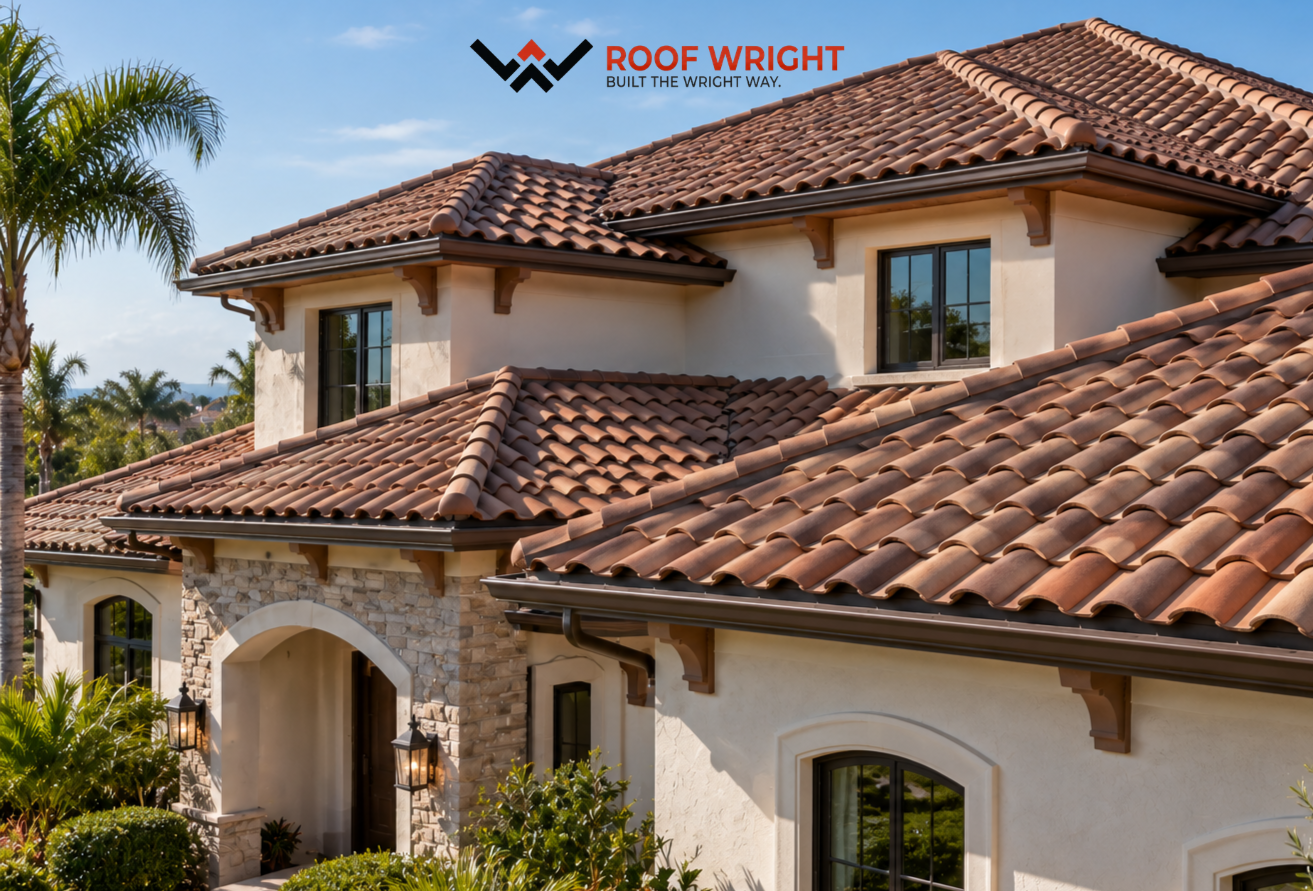
Sometimes roofs sag because the original design wasn't made to handle the weight of the materials used. This can happen if a home wasn’t built to support a heavier roofing system, or if previous contractors didn’t consider load requirements. Beautiful tile roofs are durable, but they need the right structure.
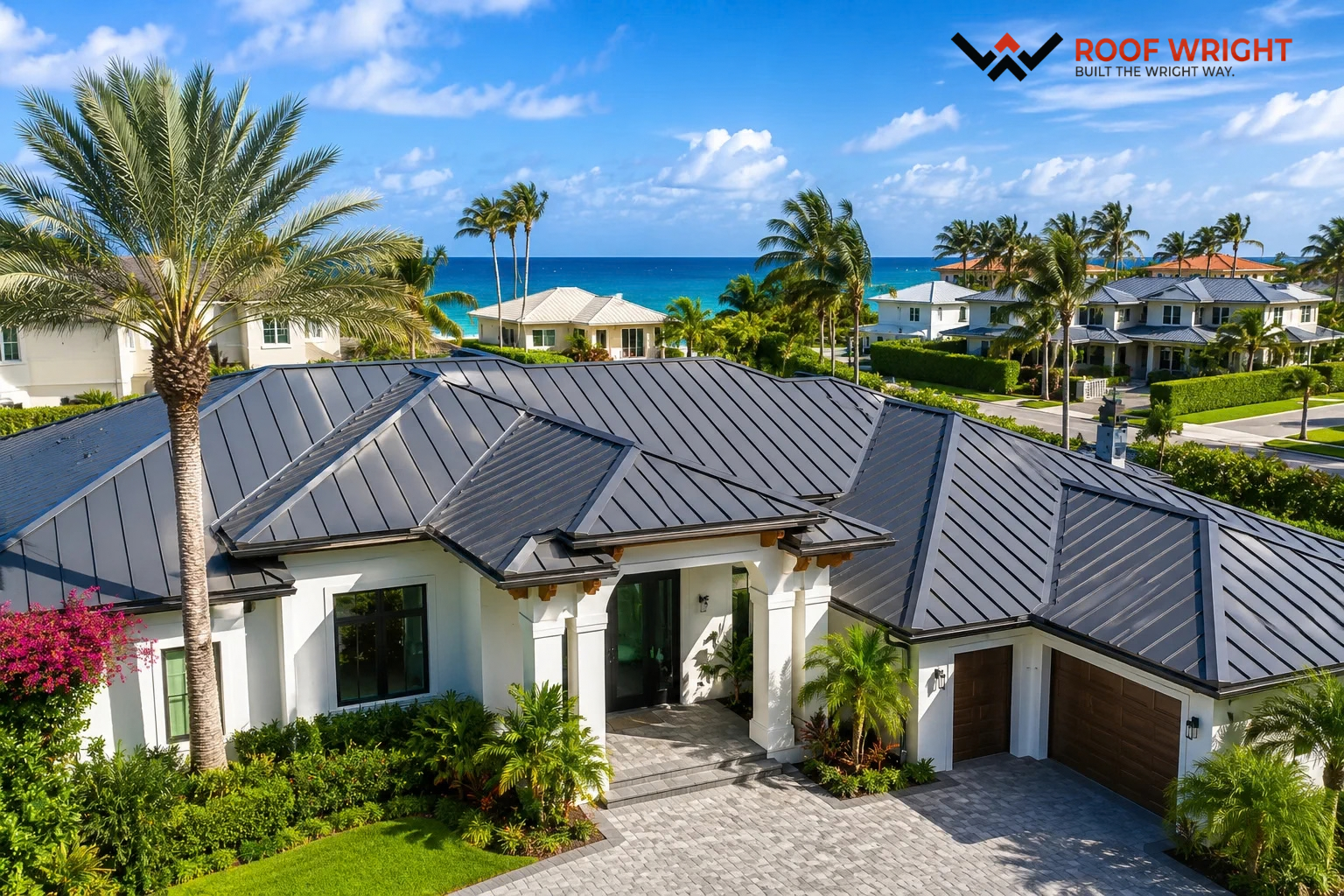
If your roof is holding more weight than it should, this might gradually show in the roofline. If you're thinking about upgrading, research your options carefully and choose a system that matches your home’s structure. Our pages for tile roofs and metal roofs can help you see how different systems perform in Florida.
Wear and Tear
No roof lasts forever. As it ages, fasteners can loosen, wood can dry out, and protective layers can wear down. Years of expanding, contracting, sun exposure, and weather can make even the best roof start sagging.
This is why roof age matters during evaluations. A roof past its prime might look fine from the street, but it could be hiding weak spots. In some cases, a full roof replacement is the safest solution.
Red Flags You Shouldn't Ignore
Visible Changes in the Roofline
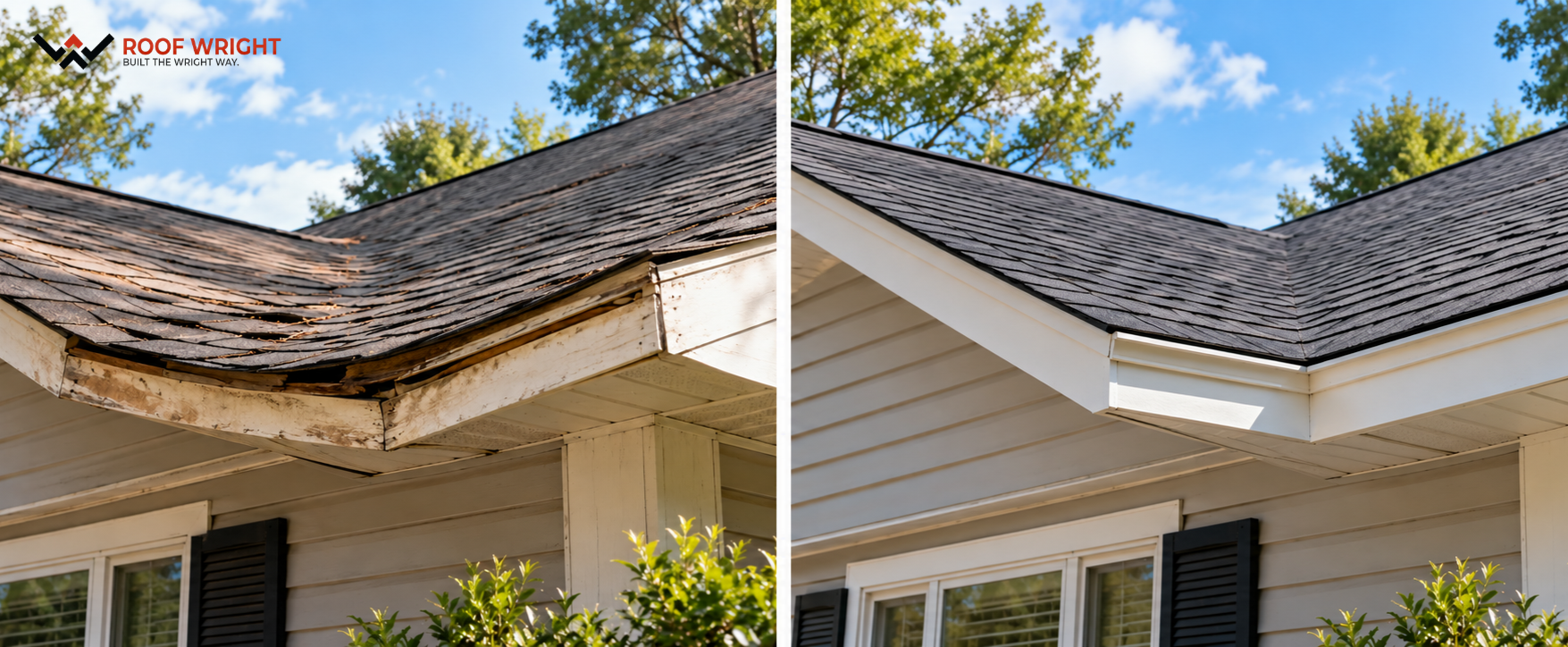
A visible change in your roof’s profile is a major warning sign. If one section looks lower or the ridge line is uneven when viewed from the street, it might mean structural issues. These changes are especially worrying if they’re new or growing more noticeable over time.
Check your roofline from multiple angles if it’s safe. Sometimes, a sag is easier to spot from across the street or from a window. Any irregularity is a good reason to schedule a professional assessment.
Issues Inside the Home
Roof troubles don’t always stay outside. Sagging might show inside through ceiling cracks, peeling paint, or doors and windows that suddenly stick. These can mean that roof movement is affecting your home’s structure.
If several of these issues pop up at once, don’t assume they’re unrelated. Roof movement and moisture damage can cause a chain reaction. A professional inspector can help figure out whether the roof or another structural component is the source.
Attic Clues
The attic often shows problems before the living space does. Look for damp insulation, dark stains, musty smells, rusted nails, or daylight coming through where it shouldn’t. These are signs of water intrusion and weakened roof parts.
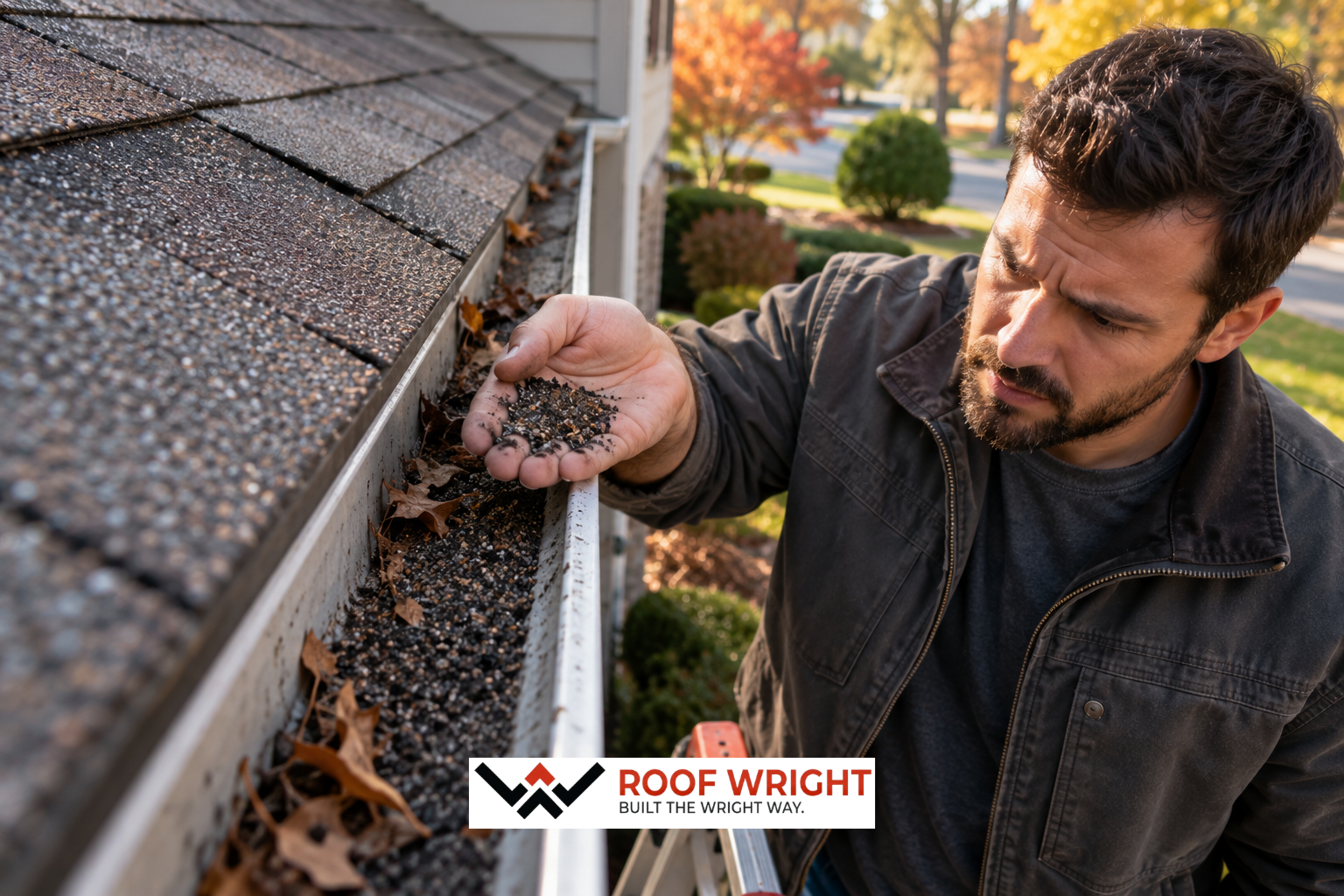
Inspecting the attic isn’t always easy or safe, so many people rely on professionals for a thorough check. A trained contractor can determine whether the issue is isolated or if broader repairs are needed. If you've noticed shingle wear, our article on shingle granules in gutters can explain what that means for your roof.
The Importance of Professional Inspections
Getting to the Root of the Problem
A sagging roof is a symptom, not the cause. A professional inspection helps identify whether moisture, structural weakening, storm damage, installation errors, or aging materials are to blame. Without an evaluation, you might only fix the visible issue while the underlying problem worsens.
During an inspection, the contractor checks the roof surface, flashing, attic ventilation, framing alignment, and signs of water intrusion. This is crucial because a small sag on the outside might be a bigger issue once the roof structure is examined closely.
Inspections Can Save You Money
The sooner you catch a problem, the better your chances of avoiding bigger repairs. A small leak fixed early might only need localized patching. Left alone, it can lead to rot, mold, insulation damage, and decking failure.
This makes inspections a smart financial move. Homeowners who act early often have more options, like targeted roof repair instead of major reconstruction, which can save money and reduce disruption.
Help with Insurance Claims
If storm damage is involved, having proper documentation is crucial. An inspection report can show the roof’s condition before and after an event, which can support an insurance claim. Review your policy details and act quickly after severe weather, as deadlines and documentation can affect coverage.
For general guidance on storm preparedness, check out Ready.gov. While it’s not roofing-specific, it’s a good reminder that planning ahead reduces risk when severe weather hits.
What to Expect During a Roof Inspection
Checking the Exterior
Inspections usually start with a visual review of the roof’s exterior. The contractor looks for dips, soft spots, missing shingles, damaged flashing, cracked tiles, and signs of impact. They also assess drainage issues, gutter conditions, and areas where water might pool.
A skilled roofer knows that sagging often starts subtly, so a trained eye is more important than a quick glance from the driveway.
Inside the Attic
If possible, the attic offers clues about what's happening above. The inspector checks for wet wood, mold, compromised insulation, or bent framing members. Sometimes, movement signs are visible where the roof connects to walls or support points.
This structural check is vital because some issues need more than a roofing fix. If the roof framing is compromised, solutions may involve reinforcement or replacement before new materials are added.
Findings and Recommendations
After the inspection, you’ll get a summary of findings and recommended steps. This might include minor repairs, reinforcement, roof coating, ventilation improvements, or a replacement plan. The best contractors explain the urgency of each issue, so you can make informed decisions.
At Roof Wright LLC, we encourage questions and sharing photos when possible. A transparent inspection process makes it easier to understand whether the problem is cosmetic, functional, or structural. If a new system is needed, our roof installation team can guide the next steps.
When to Repair and When to Replace
Repair for Small Issues
If the sagging is minor and the surrounding structure is sound, targeted repair might be enough. This could involve replacing damaged decking, fixing leaks, or reinforcing framing. These solutions work well when the issue is caught early.
The key is figuring out whether the damage is isolated or widespread. A small sag near a vent might be easier to fix than a large dip across several sections. That’s why professional judgment matters.
Replacement for Bigger Problems
If the roof is old or extensively damaged, replacement might be the smarter option. Installing new materials over a failing structure can mask the problem temporarily. A full replacement offers a fresh start and better protection.
Homeowners often compare repair vs. replacement costs, but they should also consider the risks. A roof that keeps failing after patching can be more expensive over time than a planned replacement. Our guide on roof repair vs. roof replacement explains these points in detail.
Material Matters
When replacement is the way to go, choose your roofing material wisely. Some systems handle heat, wind, and Florida’s climate better than others. Metal and tile roofs are popular for their durability.
When comparing options, look beyond appearance. A roofing system should match your home’s structure, budget, and long-term maintenance needs. If your roof has seen better days, exploring shingle roofing, metal roofs, or tile roofs can help you make a strong choice.
What to Do About a Sagging Roof
Don’t Wait for a Leak
Many homeowners wait until water is dripping inside before calling for help. But sagging should be addressed sooner. By the time a leak is obvious, hidden damage might already be happening. Acting early can prevent mold, rot, and costly repairs.
If you’re unsure if the roof is sagging, take photos from a safe distance and compare them over time. Changes that become more visible are important to document, as they help contractors and insurance adjusters understand the issue’s progression.
Stay Safe
If sagging is severe, avoid walking under the area or placing heavy items nearby. In extreme cases, a visibly drooping ceiling or roof section might mean there's a safety risk. If you see cracking or bulging, contact a roofing professional quickly and avoid putting extra load on the area.
Safety is just as important as timing. A sagging roof can signal that a section might fail, especially after heavy rain or storms. Quick action is the safest response.
Get it Checked Out
Your next move is to schedule an inspection with a qualified contractor. They can determine if the problem is urgent and advise on temporary protection, repair, or replacement. Fast scheduling is key during storm season when small issues can worsen quickly.
For folks nearby, Roof Wright LLC offers experienced support with decades of service. If you need local help, our West Palm Beach roofing contractor team can evaluate the situation and suggest practical steps.
FAQs About Sagging Roofs
Can a Sagging Roof Be Fixed?
Yes, in some cases, a sagging roof can be repaired, especially if it’s a localized issue caught early. Repairs might include replacing damaged wood, fixing leaks, or reinforcing framing. The solution depends on the cause and extent of the damage.
If the sag is widespread or the structure is failing in multiple places, replacement might be the better option. A professional inspection is the best way to determine which solution will last long term.
Does Sagging Always Mean Structural Damage?
Not always, but it often does. Sometimes it's due to a limited leak or surface issue, but many sagging roofs have deeper structural concerns. Since the consequences can be serious, treat sagging as a warning sign.
The safest bet is to have the roof checked before the issue worsens. This way, you can separate minor cosmetic concerns from true structural risks.
How Quickly Should I Act?
As soon as possible. If the roof is actively sagging, waiting can make the damage worse and limit your repair options. If you spot a new dip after a storm or see interior stains along with roofline changes, schedule an inspection right away.
Acting quickly protects your home, reduces repair costs, and improves the odds of a simpler solution. Early response usually benefits homeowners.
Take Action Before It Gets Worse
Inspection: Your First Step
An uneven roof is sending a message that shouldn't be ignored. Whether it's water damage, age, storm impact, or structural strain, the earlier you investigate, the better. An inspection helps you understand your roof's condition and prevent bigger issues.
At Roof Wright LLC, we help homeowners make informed decisions with honest assessments and dependable work. If you've noticed sagging or other warning signs, now’s the time to schedule a review and protect your home before it spreads.
Don't Delay, Act Today
Small roof problems rarely stay small. If you see sagging, call a contractor, document the issue, and arrange an inspection as soon as possible. For service, repair guidance, or replacement planning, contact Roof Wright LLC at (561) 588-7353 or visit our website to get started.