Seeing Shingle Granules in Your Gutters? What Your Roof Is Trying to Tell You
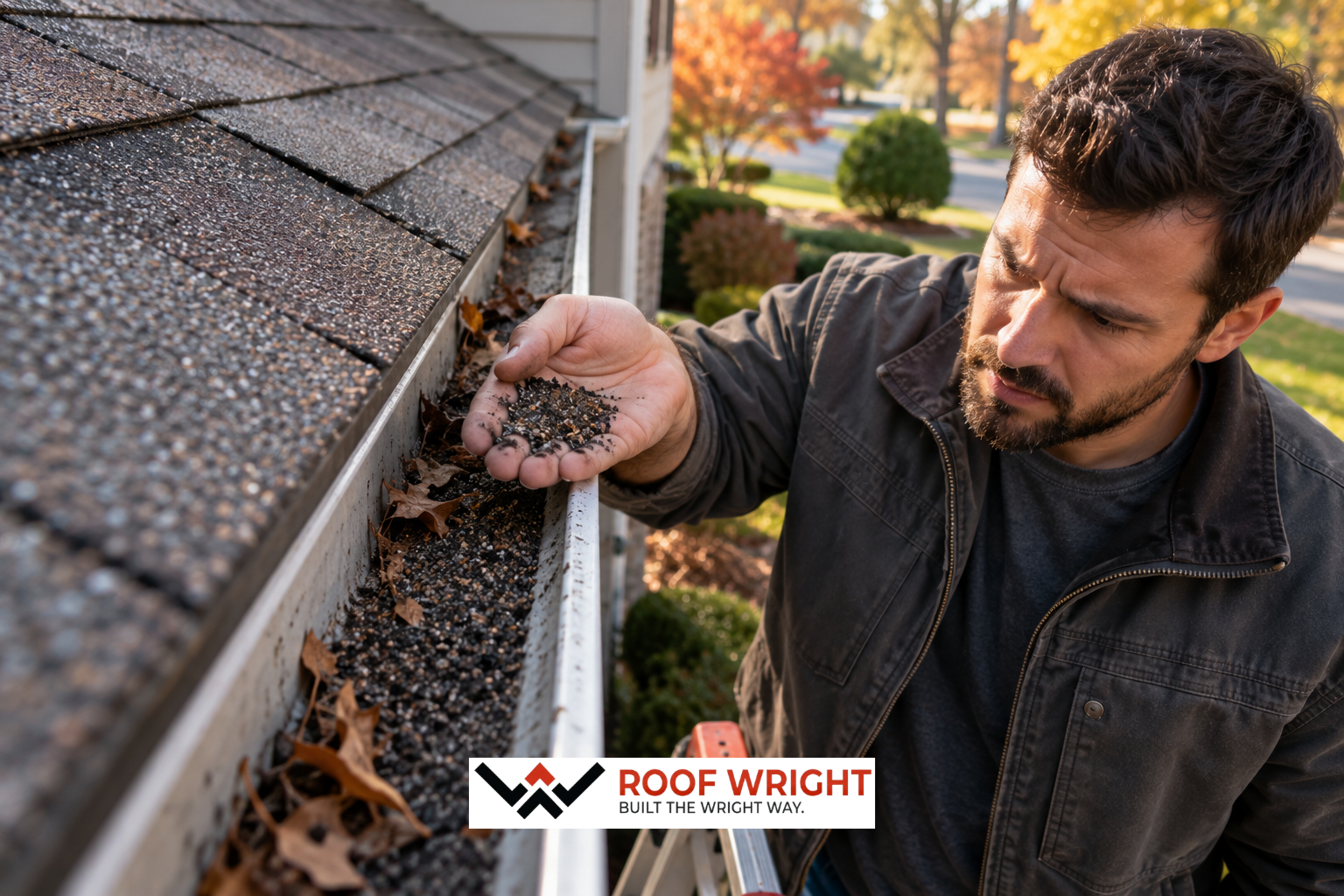
Ever noticed those little sand-like bits piling up in your gutters? They might be more than just dirt. Those are shingle granules, and they're a big part of your roof's protective layer. Spotting a lot of them in your gutters could mean your roof is trying to get your attention. If you live somewhere with strong sun, heavy rain, or frequent storms, this is especially important. And if you've already seen leaks or missing shingles, it might be time for a roof repair to prevent bigger issues down the line.
In this guide, we’ll dive into what shingle granules are all about, why you should care, and how to spot when they’re telling you something is wrong with your roof. We’ll also discuss when to call in a pro for an inspection, how weather affects your roof, and what steps to take next to keep your home safe. For more on how long roofs last and how to take care of them, check out our roof lifespan guide.
Many homeowners miss the granule loss because their roof looks fine from the street. But those granules are crucial for your roof's health. When they start disappearing, your shingles become vulnerable to sun damage, impacts, and water leaks. So, a little pile of granules in your gutter can actually tell you a lot about your roof's condition.
What Shingle Granules Actually Do
The Protective Role of Granules
Shingle granules sit on top of asphalt shingles, shielding your roof from the elements. They help reflect UV rays, slow down wear, and give your roof a nice finished look. Without them, the asphalt underneath ages faster and might not keep water out as well. According to the U.S. Department of Energy, keeping roof materials in good shape is key for performance, especially in hot areas.
Why Granules Matter for Roof Lifespan
Think of granules as sunscreen for your shingles. When they’re intact, your roof can handle sunlight and temperature changes better. When they’re gone, shingles dry out, curl, crack, or lose their flexibility. This speeds up aging and can cut your roof's life short. If your shingles are already more than halfway through their life, pay extra attention to granule loss.
Normal Loss Versus Warning Signs
Not all granule loss spells disaster. A new roof might shed some loose granules at first, which is normal and usually shows up as a light dusting in gutters. But if you see ongoing heavy granule buildup, bald spots on shingles, or granules after every storm, it’s time to call a professional. Want more tips? Check out our post on signs your roof might need professional help.
Why Granules End Up in Your Gutters
Age and Natural Wear
The most common reason for granules in gutters is aging. Asphalt shingles naturally shed granules as they weather. Older roofs are more likely to show visible buildup. Over time, exposure to elements like heat, wind, and rain weakens the bond holding the granules. The roof might still work, but the granule loss usually means the shingles are nearing the end of their life.
Storm Impact and Debris
Hail, strong wind, and debris can knock granules loose quickly. Even if a storm doesn’t tear off shingles, it can bruise the surface enough to loosen the protective coating. That’s why roof damage isn’t always obvious from the ground. The National Oceanic and Atmospheric Administration stresses that severe weather can cause hidden damage, making post-storm roof checks crucial.
Poor Installation or Ventilation Issues
Granule loss can also happen faster due to poor installation or attic ventilation. If shingles aren’t installed right, they might not seal well or wear evenly. Excess heat trapped in the attic can also make shingles brittle and prone to shedding. In these cases, granules in your gutters might signal a system issue, not just a material one.
Signs the Granule Loss Is a Bigger Problem
Bald Spots on Shingles
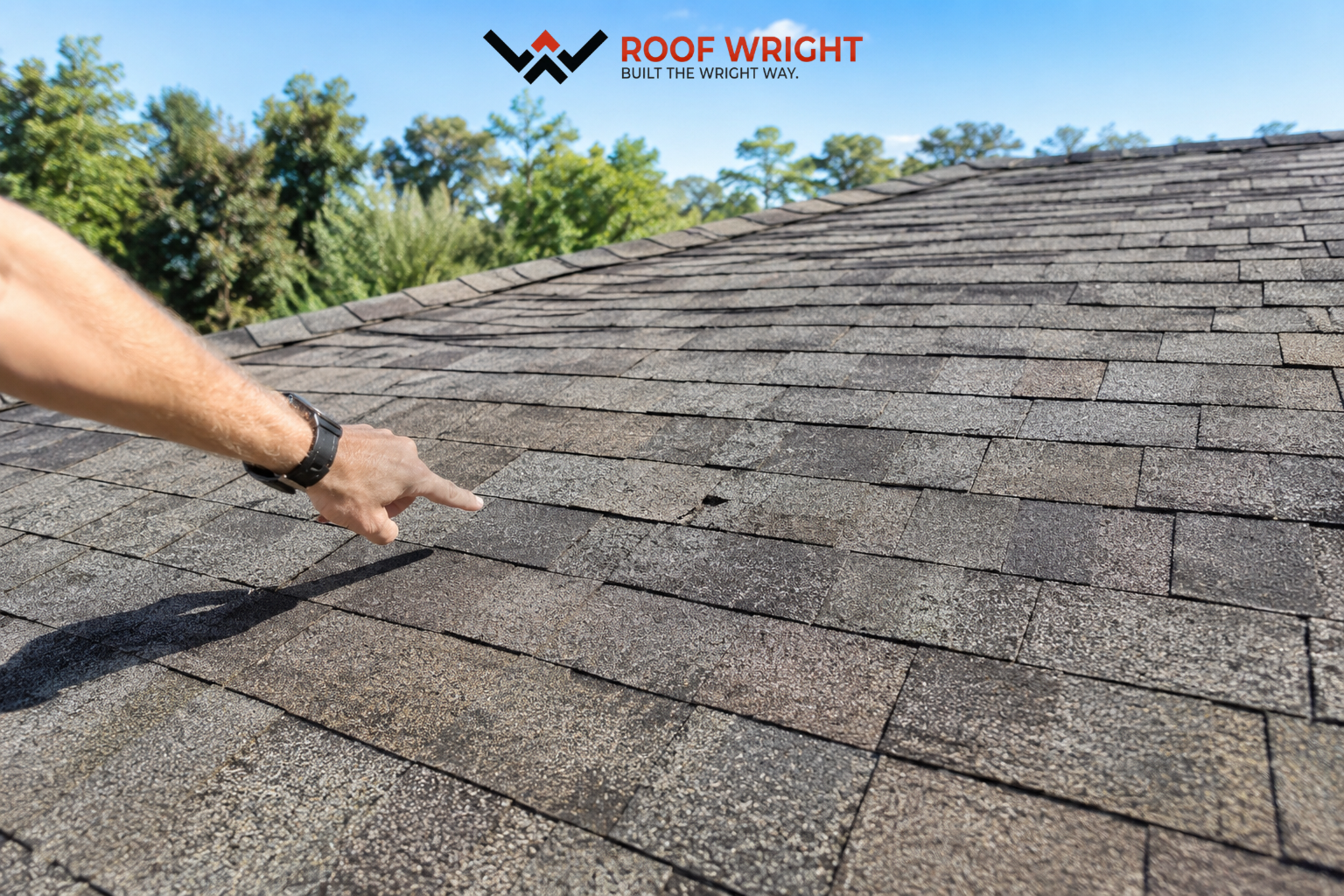
If you see bald patches on your shingles, that’s a clear sign of trouble. If parts of the roof look bare, shiny, or uneven in color, the protective layer is wearing away. These exposed spots can deteriorate faster, so it’s best to get a prompt inspection to see if repair or replacement is needed. Sometimes, a roof replacement may be more cost-effective than patching up.
Curled, Cracked, or Brittle Shingles
Granule loss doesn’t happen in isolation. As shingles age, they might start to curl, crack, or feel brittle. These signs show that the roofing material has lost its flexibility and resilience. Once shingles hit this stage, they’re more likely to fail in heavy rain or high winds, letting water sneak underneath.
Interior Leaks or Ceiling Stains
Noticing water stains on ceilings, peeling paint, or damp attic insulation? Granule loss might be part of a larger roof failure. A roof can shed granules long before a leak appears, but once water gets in, damage can spread fast. Our guide on why you shouldn’t ignore ceiling water stains explains how quickly a small leak can become a big problem.
How to Check Your Roof Safely
Start from the Ground
You don’t need to climb up to get a good look. Use binoculars or a phone camera to check for missing granules, dark patches, or curled shingles. Look for heavy granule buildup in gutters, especially after storms. If the roof seems uneven or you spot lots of granules in one area, call a pro for a closer look.
Inspect the Attic and Ceilings
The attic can show problems before the living space does. Look for damp insulation, sunlight peeking through, mold, or a musty smell. These might not prove a leak by themselves, but they can mean the roof is stressed. Check interiors after major weather events to catch changes early.
Know When to Call a Professional
There’s a big difference between basic observation and a full roof check. If you see recurring granule loss, signs of wear, or any leaks, have a roofing contractor take a look. They can tell you if the shingles are still doing their job or if the system is failing. Our roof repair versus replacement guide offers practical advice on making the right call.
How Florida Weather Speeds Up Granule Loss
Sun Exposure and Heat Cycling
Florida roofs endure strong sunlight and constant heat changes. Shingles heat up by day, cool at night, and expand and contract with temperature swings. This cycle weakens the bond that holds granules. Over time, the roof might lose its ability to block UV damage, which is why shingles age faster in warm climates.
Heavy Rain and Humidity
Moisture doesn’t always strip granules, but with age and wear, humidity can worsen roof deterioration. Heavy rain can also wash loose granules into gutters, making the problem more obvious. High moisture can speed up mold growth and worsen underlayment issues if ventilation is poor. Regular maintenance is crucial in coastal and tropical areas.
Wind and Storm Seasons
Strong winds can lift shingle edges, loosen seals, and expose the roof to debris impact. Even if a storm doesn’t cause visible damage, it may dislodge granules or create hard-to-see bruises. After big storms, check for changes in gutter debris and roof appearance. If hail is involved, our guide to hidden hail damage helps explain why a roof can look fine while still being compromised.
What Granule Loss Means for Roof Performance
Reduced UV Protection
When shingles lose granules, they don’t block sunlight as well. This means the asphalt underneath gets more sun and breaks down faster. The roof can start looking patchy or faded as the surface deteriorates.
Weaker Water Resistance
Granule loss affects how well shingles shed water. While granules aren’t the waterproof layer, they support the shingle’s structure. When the surface wears down, water can get into weakened areas, especially around edges and valleys, leading to leaks that need fast attention.
Shorter Remaining Roof Life
Granules in gutters give clues about your roof's remaining life. If shedding is moderate and the roof's otherwise healthy, you might have time to plan. If shedding is heavy and paired with visible wear, the roof might be on borrowed time. Planning often saves money compared to waiting for urgent repairs.
Repair, Maintenance, or Replacement: What Makes Sense?
When Maintenance Is Enough
If the roof is fairly new and granule shedding is light, routine maintenance might be all you need. This includes cleaning gutters, checking attic ventilation, trimming branches, and scheduling inspections. Maintenance won’t restore lost granules but can slow wear and help your roof last longer.
When Targeted Repair Helps
If granule loss is limited to one area, like around a vent or flashing, repairs might fix it. A roofer can check if the damage is isolated or if nearby shingles are failing too. In some cases, metal roof or tile roof options might be worth considering for better durability and storm performance. The choice depends on the roof's age, damage extent, and your plans.
When Replacement Is the Smarter Investment
If the roof is old, shedding heavily, and showing multiple wear signs, replacement usually makes more sense than repairs. A new system gives you a fresh warranty, better looks, and stronger weather protection. If you're considering material options, our shingle roofing page offers a reliable choice for many homes, and our roof installation team can help with starting anew or rebuilding after major damage.
How to Prevent Premature Granule Loss
Keep Gutters Clear
Clogged gutters trap moisture and let debris rub against shingle edges, increasing wear. Clean gutters help spot abnormal granule buildup early. Even simple seasonal maintenance improves drainage and helps the roof last. Gutters collect roof debris, so they're great for monitoring roof health over time.
Maintain Attic Ventilation
Good ventilation prevents heat buildup in the attic, which can damage shingles from below. It also reduces moisture that weakens roofing materials. Balanced airflow is a small detail with a big impact, especially in hot climates. If your attic feels hot or humid, it might be time to check the whole roof system.
Schedule Regular Inspections
Regular roof inspections, especially after severe weather or before hurricane season, help prevent major surprises. Inspections catch early wear, flashing issues, and hidden storm damage before they cause leaks. For expert planning and long-term care, a professional roof installation or inspection strategy can make a difference.
Frequently Asked Questions About Shingle Granules
Is It Normal to Find Granules in Gutters After a New Roof Installation?
Yes, a bit is normal in the first few months. Shingles often release loose granules that weren’t fully bonded during manufacturing. But heavy or ongoing shedding after that should be checked.
Do Granules in Gutters Always Mean the Roof Is Failing?
No, but they often hint the roof is aging or stressed. The amount, frequency, and pattern of loss matter. If granules appear after every storm or with bald patches, it’s time for a pro’s opinion.
Can I Clean the Gutters Myself?
Many homeowners can safely clean gutters, but roof access should be left to pros unless you have the right gear and experience. If you're only clearing gutters from the ground or using a ladder safely, that's fine. Suspect roof damage? Request an inspection.
How Often Should I Have My Roof Checked?
At least once or twice a year is smart for most homes, with extra checks after severe storms. Homes with older roofs or more exposure might need closer monitoring. Preventive checks are cheaper than emergency repairs.
When to Call Roof Wright LLC
What a Professional Inspection Can Reveal
A roofing contractor can tell if granule loss is normal wear, storm damage, or signs of a bigger issue. We look at shingles, flashing, vents, underlayment, ventilation, and gutters to find the root cause. This helps homeowners make informed decisions instead of guessing.
How We Help Homeowners Make the Next Move
At Roof Wright LLC, we know roof concerns can be stressful, especially when deciding whether to repair, replace, or just keep an eye on things. We offer straightforward advice based on what your roof needs. If your roof shows age, storm wear, or leaks, our roof repair and roof replacement services are designed to restore protection.
Why Fast Action Matters
Waiting too long can turn a small issue into major damage in the attic, insulation, drywall, and framing. The sooner you know what the granules are saying, the more options you have. A timely inspection can keep your roof working well, protect your home, and reduce the chance of costly emergency work later.
Final Takeaway: Don’t Ignore the Clues in Your Gutters
Granules in your gutters aren’t always a reason to panic, but they're never something to ignore. They can hint at aging shingles, storm impact, ventilation issues, or a roof near the end of its life. By knowing the difference between normal shedding and real warning signs, you can make smarter decisions about maintenance, repair, and replacement.
Noticed granules in your gutters? Now’s the time to give your roof a closer look and consider professional help before the next storm hits. Roof Wright LLC is here to help protect your home with honest assessments and dependable roofing solutions. To schedule an evaluation or discuss concerns, call (561) 588-7353 or visit thewrightroof.com today.