Getting to Know Your Roof's Lifespan in the Florida Climate
We all want a roof that stands the test of time, but if you're in Florida, it's a bit more complicated than just checking a warranty. The heat, humidity, salty air, and those intense hurricane-season storms can wear down roofing materials quicker than you'd expect. Especially in coastal areas like West Palm Beach, it's crucial to know how long different roofing systems typically last and what you can do to protect them.
Roof planning isn't just something to think about when a leak shows up. Whether you're looking at shingle roofing, considering the durability of metal roofs, or pondering if a replacement is the way to go, the lifespan is a key factor. For more tips on how your roof can add value to your home, check out our roof value guide.
Florida's weather isn't just tough on roofing materials; it also affects how roofs should be inspected and maintained. The National Oceanic and Atmospheric Administration points out that coastal areas face unique challenges like wind, moisture, and storm-related stress, which can shorten a roof's life. You can find more on climate and storm data from NOAA. Local conditions are just as important as the quality of the product you choose.
How Long Do Different Roofing Materials Last?
Asphalt Shingles in Florida's Real World
Asphalt shingles are a go-to choice because they're affordable and easy to find. But in Florida, they often don't last as long as they do in milder climates. While shingles might hold up for 20 to 30 years elsewhere, in Florida, the practical lifespan is usually closer to 15 to 25 years, depending on things like ventilation, installation quality, and storm exposure. Regular maintenance and quick repairs are especially important here.
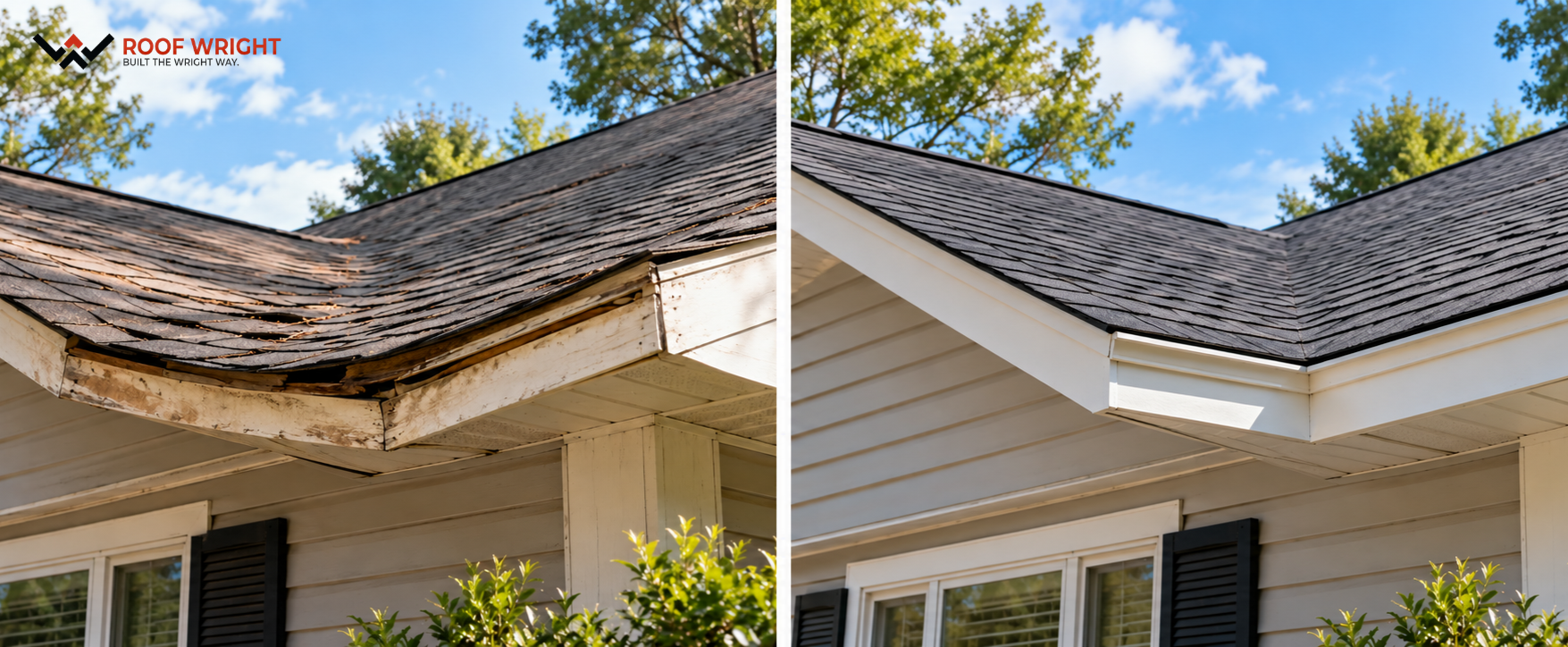
If installed right and maintained well, shingle roofs can do just fine. But they're also the first to show wear. Curling edges, bald spots, granule loss, and minor leaks can pop up sooner in hot, humid places. If you notice these issues, a quick inspection and roof repair can help extend its life before you need a full replacement. Catching problems early can prevent bigger issues down the line.
Why Tile Roofing Often Lasts Longer
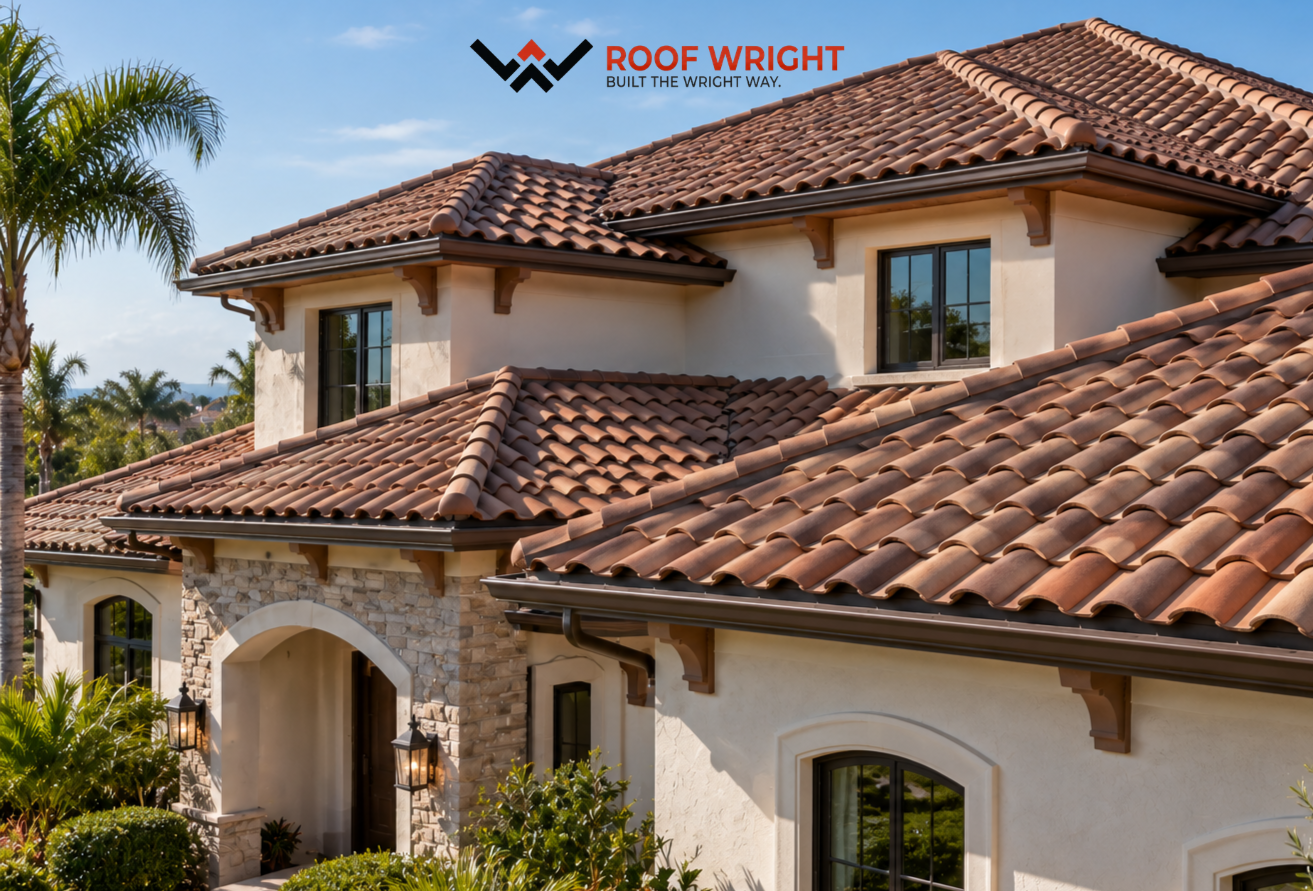
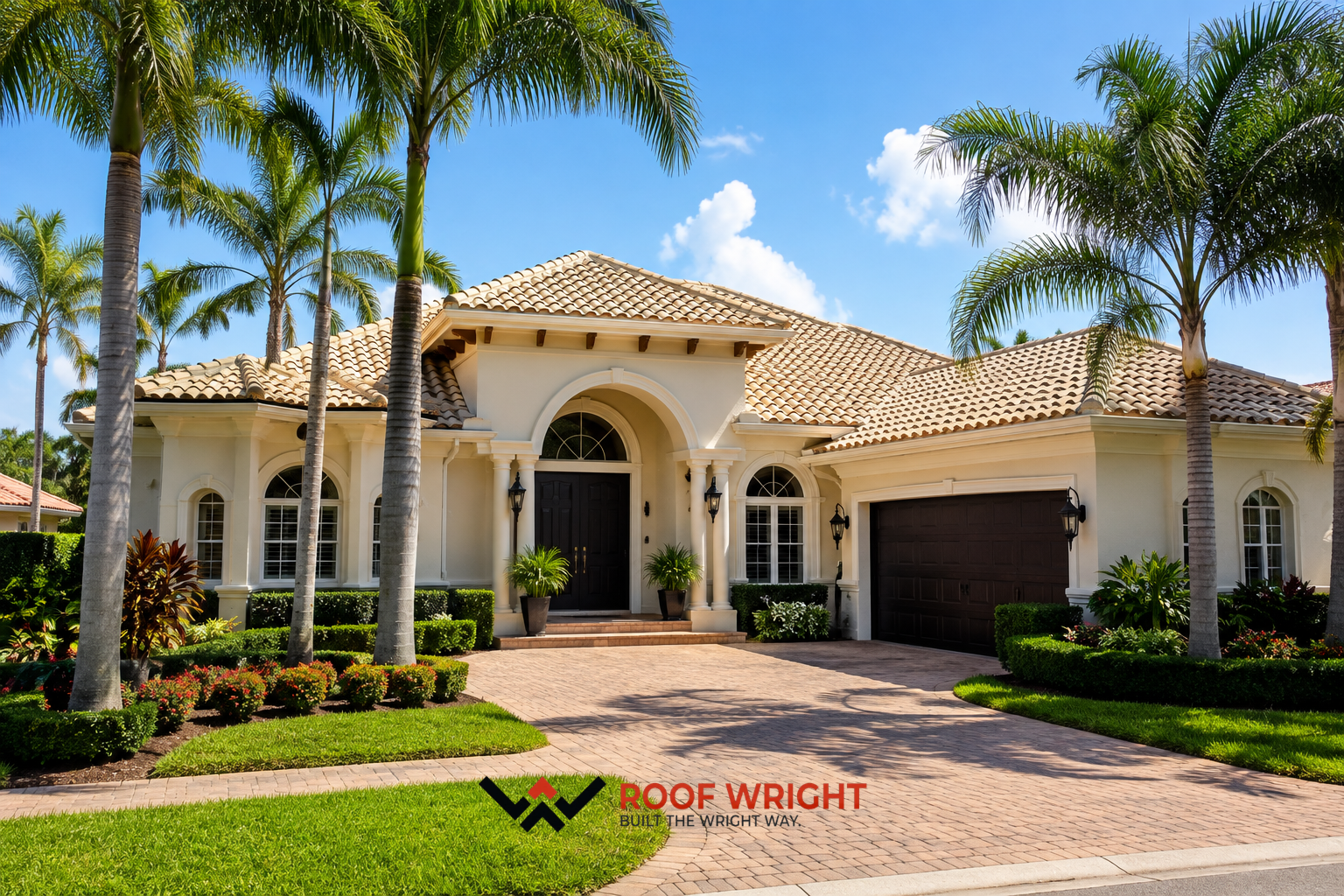
Tile roofs are a hit in South Florida because they combine beauty and durability. Concrete tile roofs can last 40 to 50 years, and clay tile can go beyond 50 if you keep the underlayment and flashing in good shape. It's not just about the tiles, though. The underlayment, fasteners, and installation details are what really help a tile roof reach its potential.
That's why investing in professional tile roof installation and repair is worth it. A tile roof might look solid from the outside, while the parts you can't see are deteriorating. If the underlayment or flashing fails, water can get in long before you see any damage. For more on spotting early warning signs, check out our water stain warning guide.
Metal Roofing: A Long-Term Choice
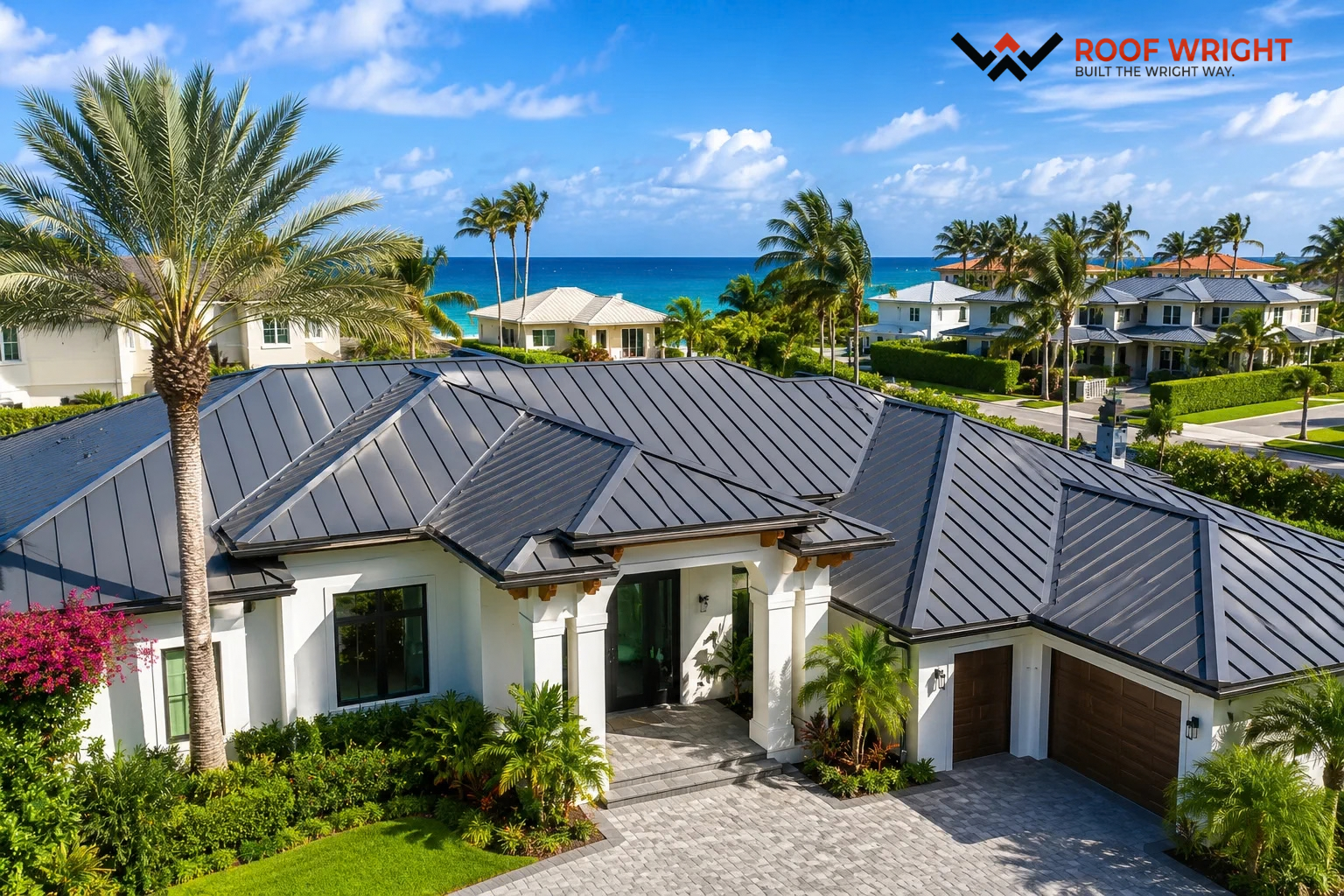
Metal roofs are gaining fans because they're tough against heat, strong winds, and corrosion. In Florida, a quality metal roof can last 40 to 70 years, making it one of the longest-lasting choices for homes. It's becoming more common to compare metal systems with traditional asphalt and tile when planning a replacement. While the initial cost is higher, the long-term value is worth it.
According to the Florida Building Code, performance standards ensure roofing systems can handle tough weather, especially in hurricane-prone areas. So, how it's installed is just as important as the material itself. A well-designed metal system, with proper fasteners and flashing, can greatly reduce the chance of early failure. If you're thinking about this option, check out our roof installation services to see what a high-performance system includes.
What Can Shorten a Roof's Life in West Palm Beach
UV Exposure, Heat, and Humidity
The Florida sun is a major reason why roofs age faster here than in other states. Constant UV exposure breaks down protective surfaces over time, particularly on asphalt shingles and sealants. Add in extreme heat and high humidity, and the conditions make it tough for roofing materials. Even well-made systems can wear out faster if attic ventilation isn't up to par.
Good attic airflow helps regulate temperature and moisture, which are crucial for long-lasting roof performance. When hot air gets trapped, shingles can dry out quicker, underlayments can deteriorate, and mold-related issues might pop up inside the attic. So, roof lifespan isn't just about what's on top of your home. It's also about the unseen system working underneath.
Salt Air and Coastal Corrosion
Living near the coast brings another challenge: salt air. Salt can speed up corrosion on metal components, flashing, nails, and fasteners if you're not using the right products. But that doesn't mean coastal homeowners should avoid durable materials; it means they need materials designed for the environment. With the right specs, a roof can still do well near the water.
This is why local knowledge is important when choosing a contractor and roofing system. A homeowner near the coast needs different advice than someone living inland. If you're comparing materials, check out our roofing options for tough weather, which explains how different systems perform when storms and moisture are part of everyday life. For more wind and weather guidance, the FEMA website offers great resources.
Hurricanes, Wind Uplift, and Impact Damage
Storms can shorten a roof's life in just one day if the system is already weak. High winds may lift shingles, loosen flashing, or break tiles, while flying debris can cause punctures that lead to hidden leaks. Even if damage isn't obvious from the ground, always get a professional inspection after a major storm. Delaying can let minor damage spread.
After a storm, watch for signs of missing materials, interior stains, or damp insulation. If you suspect damage, a quick evaluation from a roofing pro is much safer than assuming everything's fine because there's no active leak. Early action can lower repair costs and stop a bigger replacement project later.
How Inspections and Maintenance Help Your Roof Last Longer
Why Annual Inspections Are Important
One of the best ways to make your roof last is simple: inspect it regularly. Annual inspections help catch loose flashing, cracked tiles, clogged drains, and small punctures before they turn into costly repairs. In Florida, many roofing experts recommend at least one inspection a year, plus an extra check after big storms. This is especially helpful for older systems nearing the end of their lifespan.
A professional inspection should cover both exterior and interior concerns. This means checking roofing surfaces, flashing, gutters, ventilation, attic moisture levels, and any leaks around chimneys or penetrations. If you want to know what a good inspection should include, check out our roof contractor guidance, which explains how to find the right team for the job.
Simple Maintenance That Makes a Big Difference
Routine maintenance isn't complicated, but it's powerful. Cleaning gutters, trimming branches, removing debris, and fixing minor damage quickly can significantly extend a roof's life. Leaves and standing water can trap moisture, and overhanging branches can rub against the roof or break during storms. Small habits now can prevent bigger problems later.
It's also smart to keep records of inspections, repairs, and material upgrades. These records can be valuable for insurance and for tracking whether your roof is aging normally. If your roof has been repaired several times recently, those records might show whether replacement is becoming more cost-effective than continued patching. For many homeowners, this organized approach is reassuring.
Ventilation and Underlayment: The Hidden Factors
Two often-overlooked elements in roof longevity are attic ventilation and underlayment quality. Good ventilation helps prevent moisture buildup and temperature extremes, while the underlayment acts as a crucial water barrier beneath the roof covering. In tile roofing, especially, a high-quality underlayment can significantly improve the roof's lifespan. This is why experienced installers pay close attention to these details.
If homeowners focus only on surface appearance, they might miss the components that actually determine long-term performance. A roof can look impressive from the curb and still be vulnerable underneath if the layers weren't installed correctly. This is why professional workmanship matters as much as the material choice.
Insurance, Age Limits, and Replacement Decisions
How Roof Age Affects Coverage
Insurance companies are increasingly looking at roof age when issuing or renewing policies. In Florida, insurers may get concerned when a shingle roof is over 15 years old or when a tile roof reaches 20 to 25 years, even if it still looks okay. This doesn't mean the roof has failed, but it might mean facing coverage changes, inspections, or requests for documentation.
For homeowners, this creates an important financial reality: roof lifespan is not just about leaks. It's also about insurability, premium stability, and market value. Knowing your roof's age can help you avoid surprises when renewing coverage or selling your home. Sometimes, planning a replacement proactively is better than waiting for an insurer to force the issue.
Signs It Might Be Time to Replace the Roof
There are several signs that replacement might be wiser than continued repair. These include curling or missing shingles, widespread granule loss, repeated leaks, visible sagging, and recurring ceiling stains. Higher energy bills can also be a clue, since a failing roof may allow more heat transfer and reduce indoor comfort. When multiple symptoms appear together, the roof may be nearing the end of its useful life.
If you're unsure whether to repair or replace, a professional assessment can help compare immediate costs with long-term value. Our roof replacement service is designed for those who need a complete solution that restores protection and performance. Sometimes, replacing the roof now can cost less over time than repeatedly fixing an aging system.
Local Examples: What Roof Lifespan Looks Like in Florida
Concrete Tile Roofs in Palm Beach County
Concrete tile is a great example of how a roof can last when maintained properly. In Palm Beach County, concrete tile roofs often last 40 to 50 years, especially when underlayment, flashing, and drainage are in good condition. The tile itself may remain intact for decades, but the supporting layers still need periodic attention. Homeowners who understand this are more likely to preserve their investment.
This is why a tile roof should never be treated as a "set it and forget it" system. Even durable materials need regular checks and care. If you're comparing roof systems for long-term hold, tile remains a good option because it balances curb appeal with durability. It's a smart choice for those planning to stay in their homes for many years.
Metal Roofs and Storm Resilience
Metal roofing has proven especially effective in areas exposed to heavy wind and strong sun. In many Florida applications, well-installed metal roofs have shown service lives in the 40- to 70-year range, with excellent resistance to weather-related wear. Their reflective surface can also support energy efficiency by reducing heat absorption. For those concerned with both durability and utility savings, this combination is attractive.
Choosing the right system and installer is key. Metal roofs need proper fastening, panel layout, and corrosion-resistant components to achieve their full lifespan. When installed correctly, they can offer a strong return on investment, especially for those who want fewer replacements over the life of the home. To explore durable options in more detail, our metal roofing solutions provide a good starting point.
How to Choose the Right Roofing Material for Long-Term Value
Balance Upfront Cost with Long-Term Cost
The cheapest roof isn't always the most economical. Homeowners should think about total ownership cost, including maintenance, insurance considerations, energy efficiency, and expected replacement timing. A lower-cost material might save money today but require more frequent repairs or earlier replacement. A more durable system could cost more upfront but last longer.
Working with an experienced roofing contractor can be helpful. The right recommendation depends on your home's structure, location, budget, and long-term plans. If you want dependable support from consultation through installation, Roof Wright LLC offers services designed around Florida conditions and homeowner goals. Choosing the right material now can save time, money, and stress later.
Match the Roof to the Home and Environment
Roof selection shouldn't be one-size-fits-all. A home with strong exposure to salt air, high winds, and intense sun may benefit from a different roofing system than one located inland. Ventilation, slope, architectural style, and neighborhood expectations also play a role. The best decision aligns with both performance and practicality.
Before making a final choice, ask how the roof will perform over 10, 20, and 30 years, not just how it looks on installation day. This long-view mindset often leads to better decisions and fewer regrets. For those starting a new build or major project, our roof installation team can help ensure the system is designed correctly from the start.
Frequently Asked Questions About Roof Lifespan
How often should I inspect my roof?
Most homeowners should inspect their roof at least once per year and after major storms. In Florida, this is especially important because UV exposure, heavy rain, and wind can speed up wear. If your roof is older or has a history of leaks, more frequent checks may be worthwhile.
Can repairs really extend roof life?
Yes, especially when repairs are made early. Fixing flashing issues, replacing damaged shingles, sealing penetrations, and clearing drainage problems can all add years to a roof’s life. Small maintenance tasks are often far less expensive than an early replacement.
Should I replace my roof just because it’s old?
Not always, but age is a factor. If the roof is nearing the typical lifespan for its material and also showing signs of wear, replacement might be the best choice. Insurance requirements, resale plans, and repeated repair costs should also be considered before deciding.
Protecting Your Home Starts with a Better Roof Plan
Roof lifespan isn't just a number on a brochure. It's influenced by climate, installation quality, maintenance habits, insurance realities, and the materials you choose. For West Palm Beach homeowners, these factors are even more important because Florida weather can shorten a roof’s life if it's not carefully selected and maintained. The good news is you can make informed decisions that protect your home and budget.
If your roof is aging, showing signs of wear, or causing insurance concerns, now is a great time to get expert guidance. Roof Wright LLC is here to help evaluate your roof's condition, compare material options, and plan for lasting protection. Whether you need an inspection, repair, or full replacement, our team is ready to provide solutions built for Florida homes. Visit our West Palm Beach roofing location page or contact us to schedule an assessment and take the next step toward a stronger roof.