Thinking About a Tile Roof? Here’s What Homeowners Should Know Before Making the Switch
Are you considering a tile roof for your home? You're probably interested in a roofing system th at offers both style and long-lasting durability. Tile roofs are known for their ability to withstand weather, maintain a timeless look, and last for years when installed properly. But before you switch, it’s good to know about the costs, structural needs, and maintenance involved.
This guide will help you understand what tile roofs are about, why they’re a popular choice, what installation involves, and how to know if tile is right for your home. If you're also looking at other roofing options, check out our roof replacement and roof installation services to help with your decision. For those living in Florida, choosing the right roof often means balancing looks, storm performance, and upkeep.
Tile roofs have been around for centuries, but today’s versions are much improved. Modern tile roofs include underlayments, fastening systems, and ventilation that boost performance in harsh weather. As the U.S. Department of Energy points out, your roofing choice can affect energy usage and comfort, especially in hot climates.
What Makes Tile Roofing Different?
Clay and concrete are the two main options
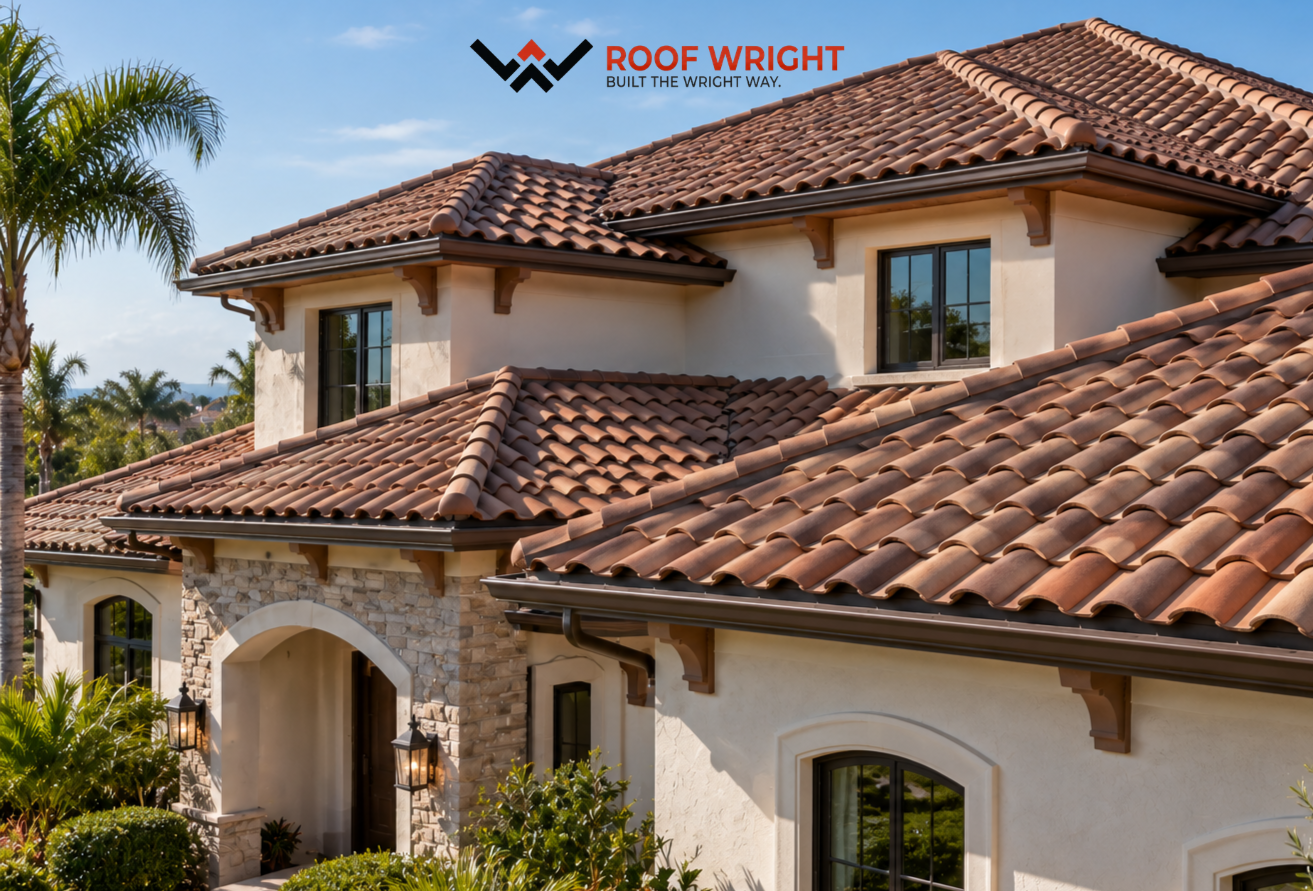
Tile roofs usually come in clay or concrete. Clay tiles are loved for their classic look and color retention, while concrete is often more affordable and comes in many styles. Both types can add a unique touch to your home’s roofline. The best choice depends on your budget and design preferences, as well as your home’s structure.
Clay tiles are popular for traditional, Mediterranean, or coastal-style homes because of their warm look. Concrete tiles are a great option if you’re after durability at a lower cost. Remember, the tile is just one part of the system—underlayment, flashing, fasteners, and ventilation are also crucial for keeping the roof watertight.
Tile roofing is heavier than many alternatives
Tile roofs are heavier than asphalt shingles, so not every home can support them without a structural check. Before you install a tile roof, a contractor should inspect the roof deck and framing to ensure they can handle the extra weight.
That’s why it's not just a simple switch in materials. If your home was designed for a lighter roof, you might need extra support. A thorough check by a roofing contractor is crucial. If repairs are needed, our roof repair team can fix structural issues and leaks before the upgrade.
Why Homeowners Choose Tile Roofs
Long lifespan and strong durability
Tile roofs can last for decades if properly installed and maintained. They often outlast many standard roofing materials, which means fewer replacements over time. Even though they may cost more upfront, they offer long-term value.
Tile roofs also stand up well to sun exposure, which is important in sunny climates. While all roofs wear over time, tile tends to fade less and maintain its appearance longer, keeping your home’s curb appeal strong.
Enhanced curb appeal and architectural style
For many, the look of tile is as important as its performance. Tile adds texture and visual interest that flat roofing materials can’t match. Whether you like Spanish-style barrel tiles or a modern profile, the roof becomes a design feature, not just a protective layer.
This matters if you’re thinking about resale value or want your home to stand out. A well-chosen tile roof can enhance your home’s design and create an upscale look. If your roof is showing its age, our article on roof repair vs. roof replacement can help you decide if now’s the time to upgrade.
Potential energy benefits in warm climates
Tile roofs can improve thermal performance when used with the right underlayment and ventilation. Some tile systems create airspace that reduces heat transfer, making your home feel cooler and possibly lowering cooling costs. While no roof material alone guarantees lower energy bills, tile is a good choice for homes in sunny areas.
To get the most benefit, consider the whole roofing assembly—not just the tiles. Ventilation, attic insulation, and color all influence performance. Research from the National Renewable Energy Laboratory shows how reflective building materials can improve energy efficiency in warm climates.
What to Consider Before Switching to Tile
Structural support and roof framing
Your home needs to be checked for structural readiness before choosing tile. Because tile is heavier than shingles, roof framing, decking, and attachment methods need careful inspection. Sometimes, your home can support the new system with no major changes. Other times, more work is needed.
This inspection is key to the whole project. A rushed decision can lead to roof sagging or warranty issues later. Experienced contractors consider the roof as a complete system, not just a surface. Check out our tile roof page for more on installation and planning.
Budget and total project cost
Tile roofs usually cost more upfront than shingle systems. The higher price includes materials, labor, and possible structural upgrades. Consider the total cost of ownership over time, not just the initial quote.
This includes installation, maintenance, repairs, and the roof’s service life. A longer-lasting roof may make financial sense even if the upfront cost is higher. The key is to ensure it’s installed correctly to get the lifespan you’re paying for.
Climate, storm exposure, and local code requirements
Tile roofing can be a smart choice in storm-prone areas if built to meet local codes and wind requirements. In coastal regions, the quality of fastening, underlayment, and flashing details are crucial. The roof needs to handle more than just rain; it should withstand wind and storm forces.
Consider insurance implications, too. Some carriers might request documentation about installation methods or materials. For safety and preparedness info, Ready.gov is a great resource for understanding home resilience in severe weather.
The Installation Process Explained
Inspection and planning
A quality tile roofing project starts well before the first tile is laid. Contractors should inspect the current roof, check for moisture damage, and ensure the framing can support the new system. This is also when you discuss design preferences, tile options, and timelines.
Planning is crucial because tile roofing projects are detailed. The better the planning, the smoother the installation and the better the results. If you need a full replacement, our shingle roofing page can help you compare common roof types before choosing a material.
Removal, preparation, and underlayment
Many times, the old roof must be removed before installing a tile system. Once the deck is exposed, any damage should be repaired. Underlayment is then installed, which is key as it provides extra water protection under the tiles.
The quality of the underlayment greatly affects roof performance. Even though tile is durable, wind-driven rain can get under the tiles during bad weather. That’s why the hidden parts of the system need as much attention as the visible tiles. Proper underlayment keeps the home protected if tiles crack or shift.
Tile placement and finishing details
Once the base layers are ready, tiles are installed in a precise pattern. Spacing, fastening, and alignment must be consistent for both visual appeal and performance. Edges, valleys, ridges, vents, and penetrations need special care to prevent leaks.
At this stage, craftsmanship is vital. A tile roof should look neat and balanced but also perform well. Poor detailing around flashing and transitions can ruin an otherwise beautiful roof. Skilled labor is essential, especially for homes with complex rooflines.
Maintenance and Long-Term Care
Regular inspections still matter
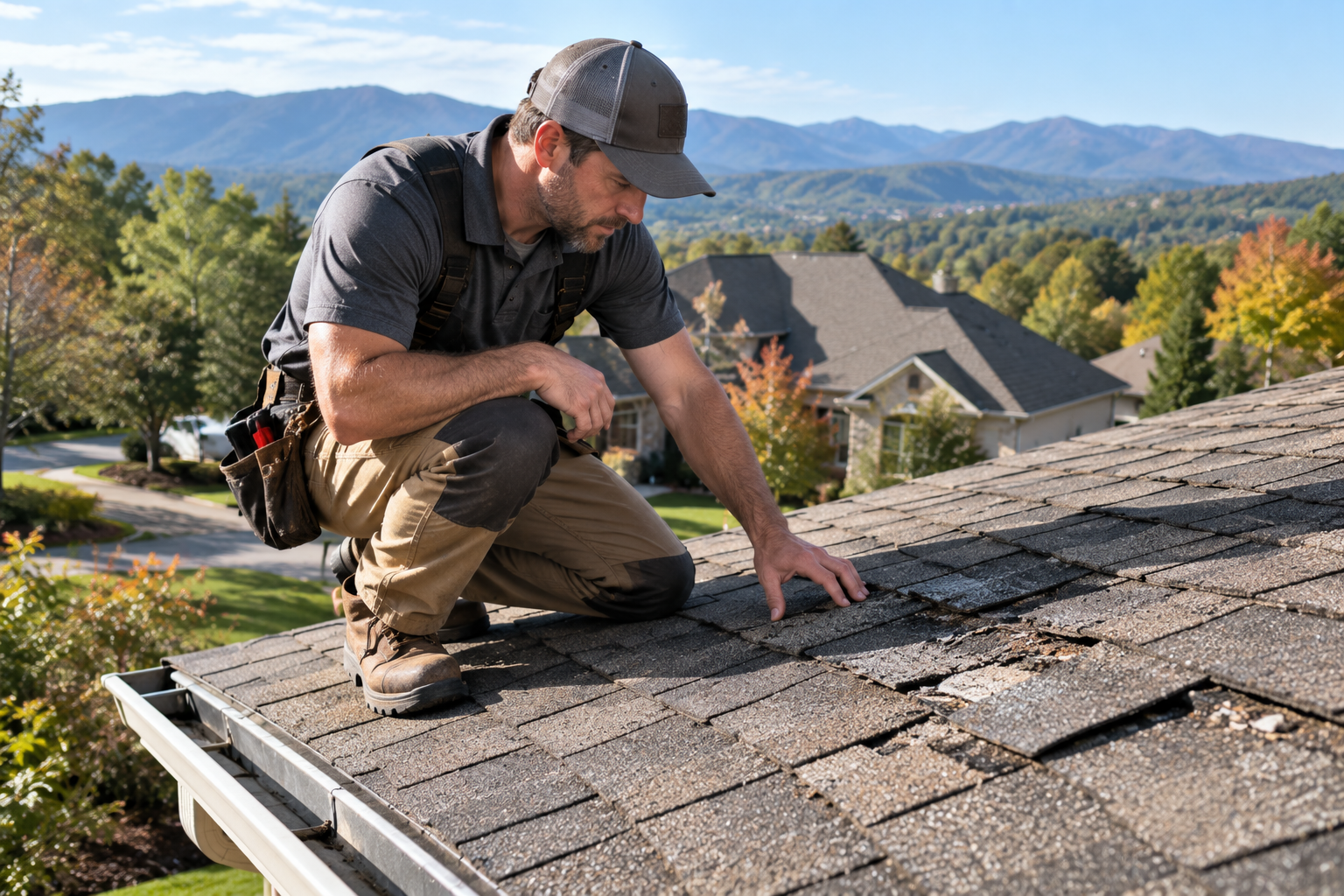
Even though tile is tough, no roof is maintenance-free. Schedule checks, especially after storms or high winds. Routine inspections can catch cracked tiles, lifted edges, or clogged drainage before they become major issues.
How often you inspect depends on the roof’s age and local weather. In humid areas, moss and algae can affect appearance and drainage. Tackling small problems early is cheaper than waiting for leaks inside the home.
Replacing damaged tiles and protecting underlayment
One perk of tile roofing is that broken tiles can often be replaced without doing the whole roof. But if water has reached the underlayment, the repair might be more than a simple tile swap.
Be cautious about walking on tile roofs, as improper foot traffic can crack them. A professional inspection is the safest way to spot issues and make repairs. If you suspect storm damage, read our guide on hidden hail damage to learn how damage can exist even if the roof looks fine.
Cleaning and debris management
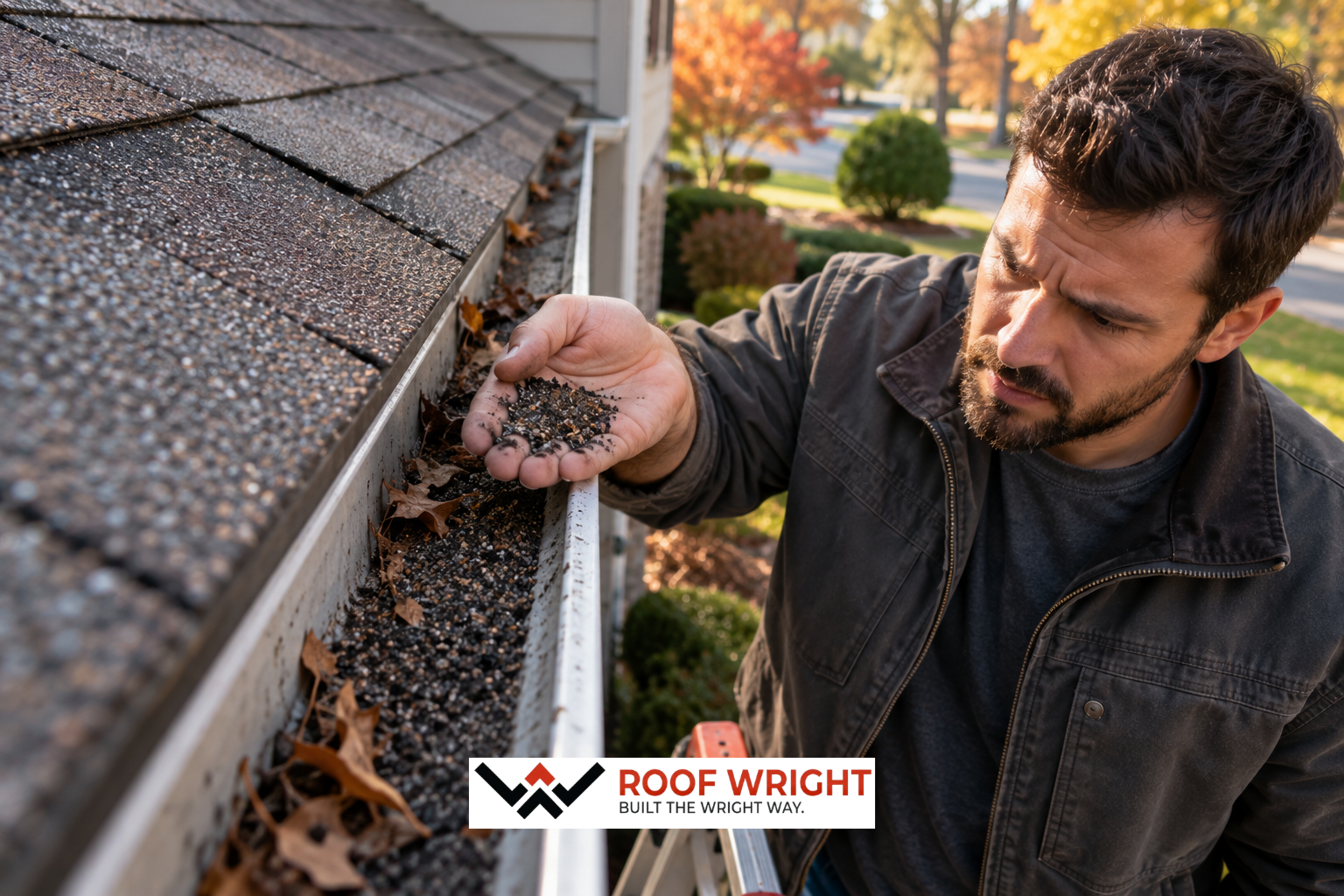
It’s important to keep valleys, gutters, and roof edges free of debris. Leaves, branches, and dirt can trap moisture or block drainage, especially after rain. A clean roof isn’t just about looks; it prevents moisture problems and wear.
Clean carefully to avoid damaging tiles. Soft methods are usually better than harsh washing. Ask a roofing professional how to best maintain your specific tile type and finish.
Tile Roofs vs. Other Roofing Materials
Tile vs. asphalt shingles
Asphalt shingles are cheaper upfront and quicker to install, making them appealing for budget-conscious homeowners. But they don’t match tile for lifespan, heat resistance, or curb appeal. Tile is often chosen by those planning for the long term and wanting a premium look.
If your roof is nearing its end, comparing the two materials can help decide. Our article on roof lifespan for homeowners can help you see how long different materials last under local conditions.
Tile vs. metal roofing
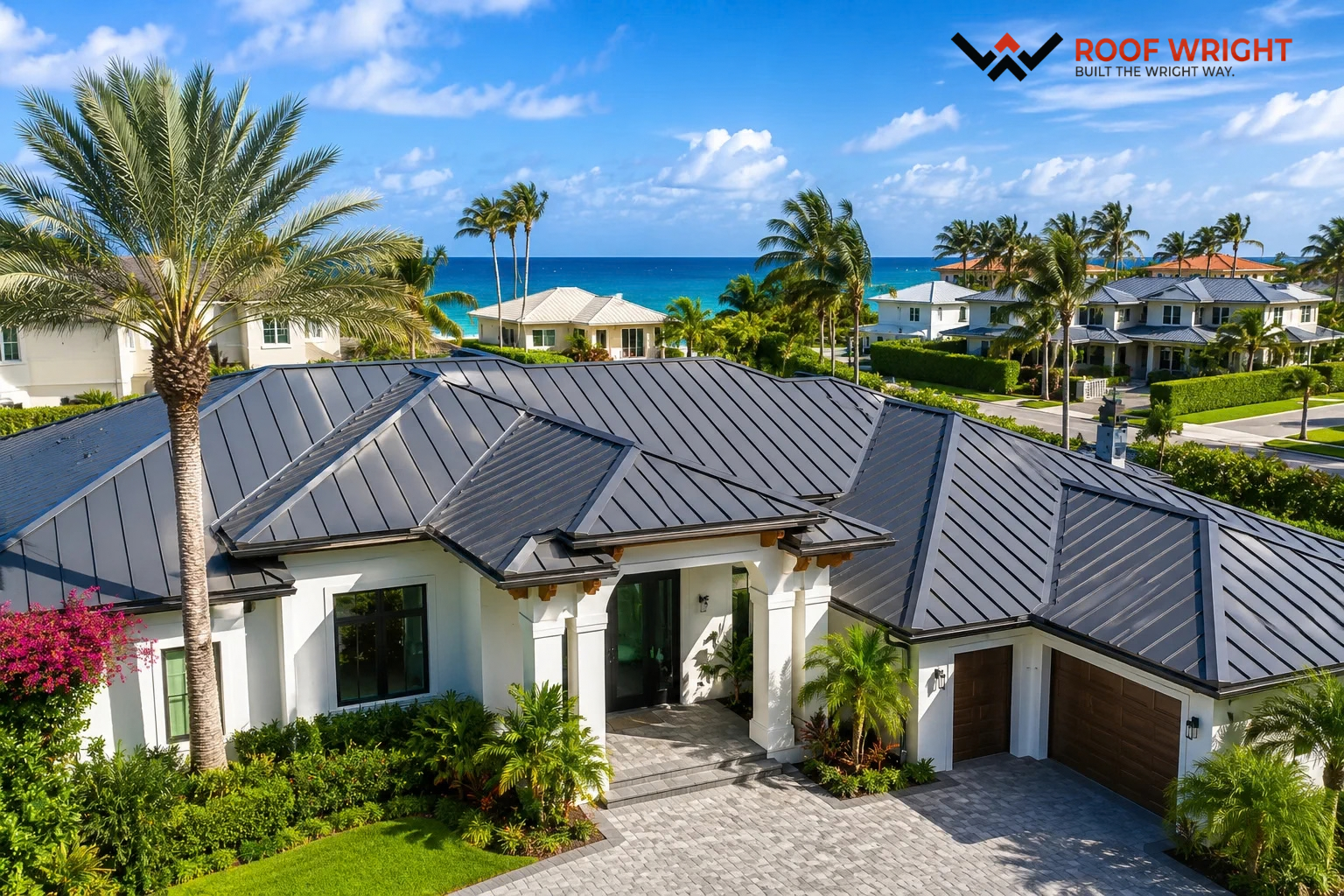
Metal roofing is another option for durability and storm resistance. It’s generally lighter than tile, which can make installation easier for homes with structural limits. Metal also performs well in wet and windy weather and may suit certain styles better.
Tile, however, is often chosen for its traditional look and warmth. The right choice depends on your priorities. To compare the long-term benefits, our metal roofs page explains how metal performs for homes and why it’s often considered alongside tile.
Tile vs. roof replacement with another material
Some think a roof replacement means choosing the same material, but that’s not always the case. A full replacement is a chance to rethink appearance and performance. If your roof has had repeated repairs or leaks, switching materials might be more cost-effective.
That’s why a professional assessment is valuable. The best roofing decision isn’t always the cheapest or most familiar. It’s the option that fits your home’s structure, climate, budget, and goals.
Common Questions Homeowners Ask About Tile Roofs
How long does a tile roof last?
Tile roofs can last decades if installed and maintained well, and some last much longer under good conditions. The lifespan depends on tile material, underlayment quality, weather exposure, and maintenance. Often, the underlayment needs attention before the tiles reach their end.
Are tile roofs good for storms?
Tile roofs can perform well in storm-prone areas if installed to the right standard. It’s not just the tile—fastening, flashing, ridge details, and underlayment all affect how the roof handles wind and rain.
Do tile roofs require more maintenance?
Tile roofs don’t need constant upkeep, but they do benefit from regular inspections and quick repairs. Because tile is rigid, impacts and foot traffic can break pieces. Timely repairs protect the underlayment and prevent water damage.
Is tile worth the higher cost?
For many, tile is worth it for its durability, looks, and long life. The answer depends on your goals and home’s structure. If you plan to stay in your home for years, tile can be a smart long-term investment that adds value and reduces replacements.
How to Decide If Tile Is Right for Your Home
Start with a professional inspection
The best way to decide is to have a qualified contractor evaluate your roof. They can tell you if the structure can support tile, if the roof deck is in good condition, and if there are hidden issues to address first. This helps avoid expensive surprises later.
Homeowners in our main service area can ask for a location-specific review, especially if considering a major upgrade in Palm Beach Gardens. A roof that works in one region might need adjustments in another, so local experience matters.
Think beyond appearance
Tile roofs are beautiful, but looks shouldn’t be the only factor. Consider ventilation, weight, storm resistance, maintenance, and installation quality. A roof should complement and protect your home over the long haul.
When you consider all these factors, tile often stands out for those wanting a durable and attractive roofing system. It’s especially appealing if you’re ready for a long-term upgrade rather than a quick fix.
Compare the long-term value
Look at roofing options based on total value, not just upfront cost. A roof that lasts longer, handles weather better, and needs fewer replacements can save money over time. This broader view can make a higher initial investment easier to justify.
If you’re still exploring alternatives, a consultation can help you compare tile with shingles, metal, or a full replacement. A knowledgeable contractor should explain the pros and cons clearly so you can make a confident choice.
Final Thoughts: Making a Smart Tile Roof Decision
Choose the roof system that fits your home
Tile roofing offers style, durability, and long-lasting performance, but it’s not right for every home. The best choice depends on your structure, budget, design goals, and local weather. When these factors align, tile can be a smart investment.
Work with an experienced roofing contractor
Because tile roofs need careful planning and skilled installation, work with a contractor who knows the system from the deck up. This includes evaluating needs, selecting materials, and ensuring the roof is built to last. For dependable guidance and workmanship, Roof Wright LLC brings over 50 years of experience to every project.
Ready to explore your options? Check out our tile roofing services or request an evaluation for your home. You can also learn more about our wider roofing capabilities through roof replacement and roof installation. The right roof should protect your home, match your style, and offer peace of mind for years.
Ready to find out if tile is the right upgrade for your home? Contact Roof Wright LLC today to schedule an inspection and get expert guidance on the best roofing solution for your property.