5 Clues Your Roof Might Need a Pro's Touch
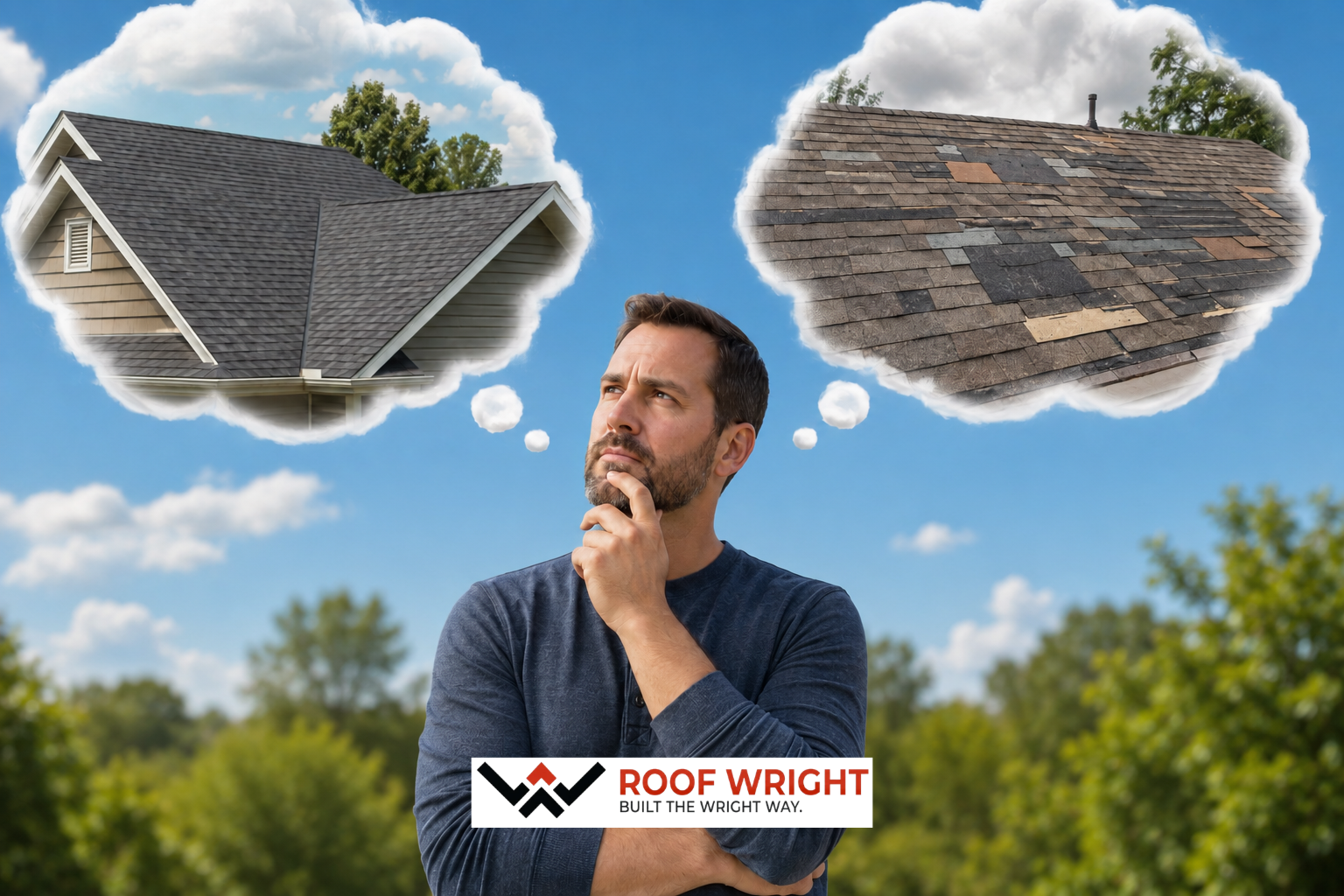
Your roof is like your home's unsung hero, quietly doing its job until something goes wrong. Problems often start small, giving off subtle hints before they turn into leaks, mold, or structural issues. Catch these early, and you can save yourself from bigger headaches and bigger bills down the line.
This guide will walk you through five key signs that you might need to call in the pros for your roof. Whether it's damage from a storm, materials showing their age, or that pesky stain on the ceiling, the aim is to spot trouble before it snowballs. If you're thinking about getting help from a skilled roof repair team, Roof Wright LLC has got you covered with the kind of expertise that keeps homes protected for the long haul.
Weather, materials, and upkeep all play a role in how well your roof performs. In Florida, the sun, rain, wind, and humidity can speed up wear and tear more than you might expect. So, knowing the warning signs, when to call for help, and your repair options are key to keeping minor issues from turning into major headaches. For more insights into how weather can impact roofs, check out NOAA's weather risks overview.
1. Water Stains or Moisture Indoors
What's Up with Ceiling Stains?
Water stains on your ceiling or walls are one of the clearest signals your roof might need some love. A yellow ring, brown patch, or bubbling paint likely means water has found its way inside. Even if the stain seems small, the actual leak might originate far from where you see the damage.
People often underestimate these signs, thinking a small drip is no big deal. But repeated moisture can weaken wood, ruin insulation, and create a perfect environment for mold. If the stain appears after a storm, it's smart to not only inspect the roof but also check out attic ventilation and flashing. If the problem is isolated, a targeted roof repair might do the trick. However, if the roof is old or the leak is extensive, a roof replacement could be more sensible.
What to Check Before Calling a Roofer
First, see if the stain changes after a rain. Peek in the attic for signs like damp insulation or soft wood. Avoid climbing on the roof if it's risky; wet shingles and loose flashing aren't safe. If the leak is active, place a bucket to catch the drip and snap some photos to show a contractor later.
For more tips on moisture and mold prevention, the EPA's mold resources can be really helpful. Acting fast matters because moisture damage can spread quickly. The sooner you find the source, the easier it is to protect your home.
2. Missing, Curling, or Damaged Shingles
Why Shingle Condition Counts
Shingles are the frontline warriors against wind and rain. Missing, curling, or cracked shingles leave your roof's underbelly exposed. In sunny climates, shingles can dry out and break down faster if not maintained. Always check for shingle wear from the ground after bad weather.
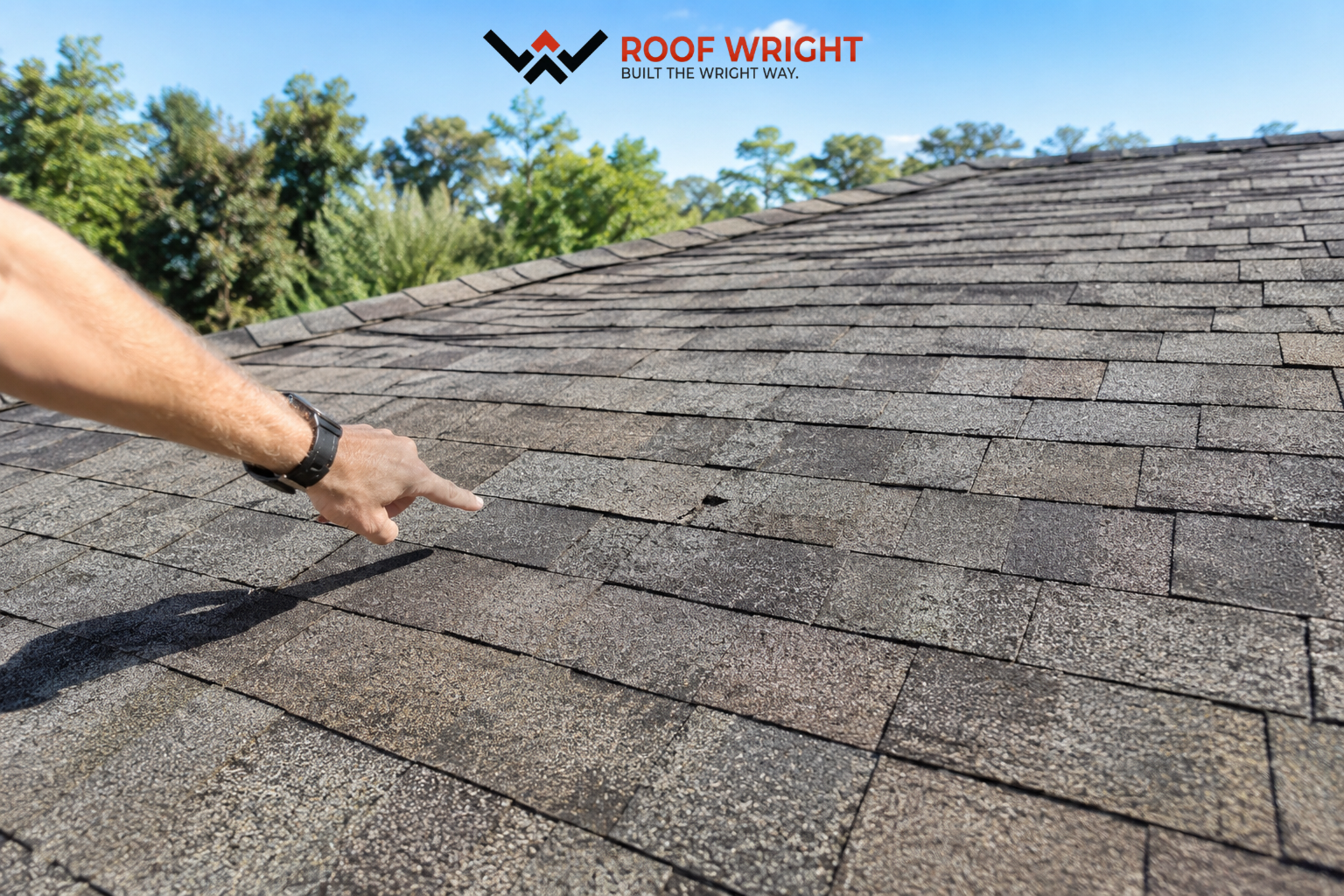
Shingle damage doesn't always mean the roof is done for, but it's a strong hint to get professional eyes on it. If the damage is confined to a small area, repairs might be enough. But if it's widespread or the roof is aging, look at options like shingle roofing with longer-lasting materials. Consider metal roofs or tile roofs for high durability.
Storm Damage vs. Gradual Wear
After storms, look for missing tabs or lifted edges. Gradual wear can be sneaky, with granule loss reducing UV protection. Over time, the roof might look patchy or uneven, signaling it's not up to par anymore.
The National Roofing Contractors Association offers valuable guidance on maintenance. Ignoring roof issues because they're not leaking yet is a bad idea. Prevention beats emergency repairs every time.
3. Granules in Gutters or Around Downspouts
What's Granule Loss Telling You?
Asphalt shingles have granules to shield them from the sun. If you notice granules in your gutters or around downspouts, it might mean the shingles are nearing the end. Some loss is normal, especially early on, but a lot of granules from an older roof is a red flag.
This can creep up quietly. You might see dark, sand-like stuff in your gutters without realizing its significance. After a storm or during cleanup, if you spot granules, an inspection is wise. A pro can tell you if it’s normal or if roof installation or a replacement plan is needed.
Gutters: A Window into Roof Health
Gutters can be diagnostic. Alongside granules, you might find shingle bits or rust from flashing. This helps pinpoint if the issue is a small section or the whole roof. Clogged gutters can also trap water, increasing rot risks.
Our article on roof lifespan in West Palm Beach offers context. A roof's age and history matter. If unsure, call a pro for peace of mind.
4. Sagging Rooflines or Visible Structural Changes
How to Spot a Sagging Roof
A straight roofline is a good roofline. If you see dips or curves, the structure might be stressed. Sagging suggests issues below the surface, not just on top. It’s serious and often indicates more than surface wear.
Sagging can develop slowly, best seen from a distance or in the attic. If the shape has changed, it's not just cosmetic. Structural movement can worsen, especially if moisture is a factor. A pro should assess whether repair or replacement is needed.
When Repairs Aren't Enough
Sagging often signals deeper issues. Sometimes, reinforcement or a full reroofing is needed. If framing is compromised, address the root cause, not just the symptoms.
For safe construction standards, check out UF/IFAS Extension. Structural problems need prompt attention. Don't brush off a sagging roof; it's a call to action.
5. Rising Energy Bills or Uncomfortable Indoor Temperatures
Energy Bills and Roof Performance
Roofs do more than keep out the weather. A damaged or old roof can make your home less comfy and hike up energy bills. If your place feels hotter or your bills spike, the roof might be to blame. Gaps, failed underlayment, or bad insulation can all reduce efficiency.
This is crucial in warm climates, where roofs soak up heat. A roof not ventilating properly makes your HVAC work harder. A roof replacement can boost both protection and efficiency. Consider metal roofs for durability and heat management.
Signs the Attic Might Be to Blame
The attic can show roof issues. If it's hot or damp, it might be poor ventilation or hidden leaks. Bad airflow shortens roof life. Check attic vents, wet insulation, and daylight around seams.
According to Energy Star, sealing leaks and boosting insulation improve efficiency. Roof issues can be a big part of the puzzle. If roof and attic issues clash, professional help makes a difference.
What to Do When You Notice These Warning Signs
Document the Problem
See any of these signs? Start documenting. Take clear photos from the ground, inside, and in the attic if safe. Note the date, weather, and whether it appeared after a storm. This info helps a roofer find the cause faster.
It's handy for insurance too. Storm damage and visible changes might need records if you file a claim. Even without insurance, a photo log helps track progress.
Schedule a Professional Inspection Fast
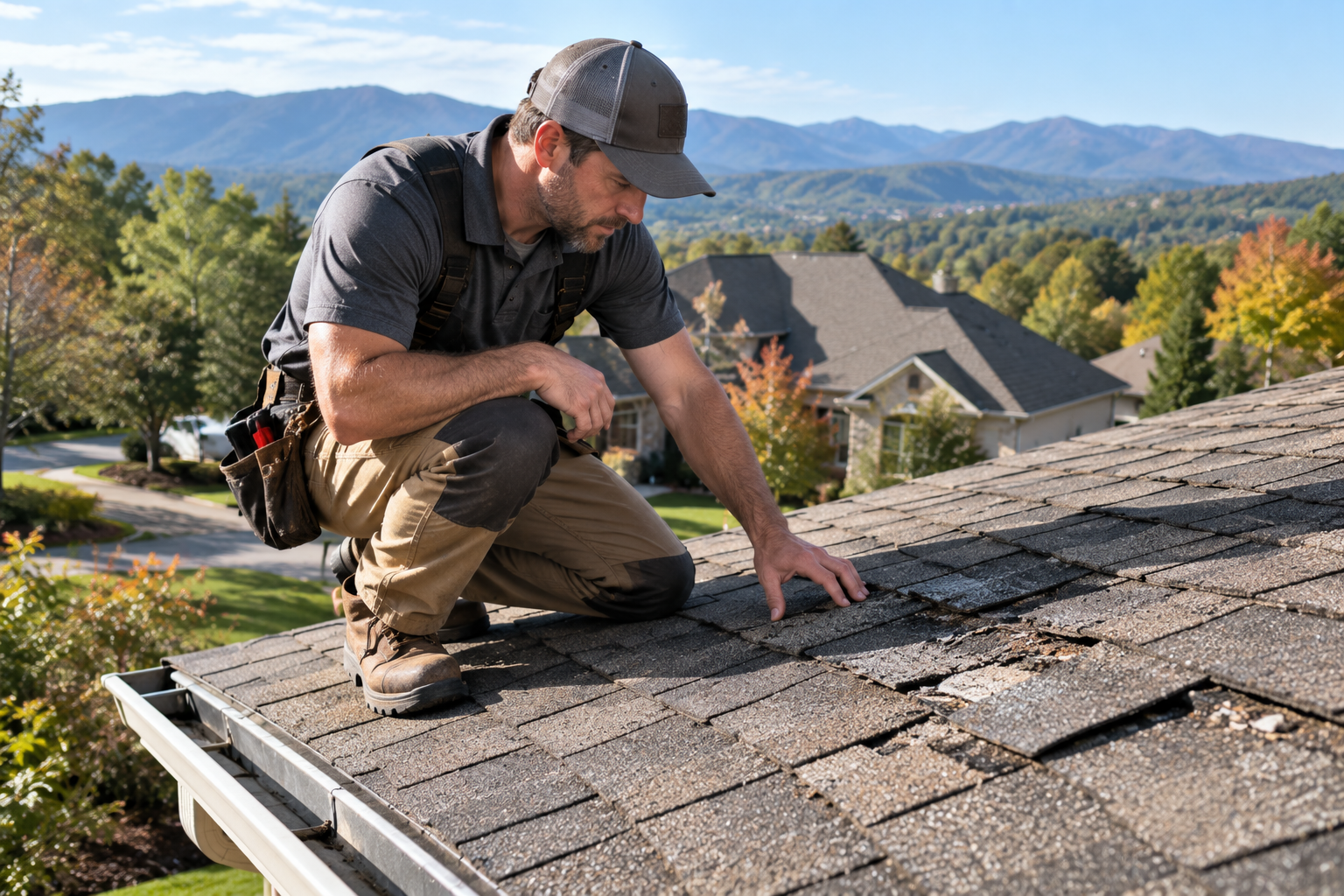
Roof problems don’t fix themselves. A pro can tell if it’s a small issue or part of something bigger. For example, a leak might be from flashing, not shingles, or granule loss might show aging. A pro inspection avoids unnecessary work and addresses the true cause.
If you're nearby and looking for a team experienced with Florida roofs, check out our roof installation and inspection services. Roof Wright LLC offers decades of experience for projects needing careful work and reliable advice. Experience counts when you need real answers.
How the Pros Evaluate the Problem
Surface Conditions and Hidden Damage
Pros look beyond obvious wear. They check surface conditions, flashing, sealants, ventilation, drainage, and hidden moisture. Often, a roof looks good from the street but hides issues only a close inspection reveals. Don't rely on a glance to decide on repairs.
A skilled roofer also compares roof sections. Sun, water, or wind exposure can wear them differently. This helps decide if aging is normal or if there’s a specific defect. If replacement is needed, they’ll discuss whether to stick with shingles or switch to tile roofs for durability and appeal.
Repair, Restore, or Replace
After evaluation, options usually are repair, restore, or replace. Repairs work if damage is limited and life remains. Restoration suits broader fixes without structural failure. Replacement is best for widespread wear, recurring leaks, or end-of-life materials.
For homeowners weighing options, check our roof repair vs. roof replacement article for more. The right choice depends on roof age, damage extent, budget, and long-term plans. A trustworthy contractor explains these factors clearly.
Preventive Maintenance Saves Money
Why Inspections Matter Even Without Leaks
Waiting for a leak is costly. Regular checks catch loose flashing, worn seals, clogged drains, and early shingle wear before they cause interior damage. A seemingly fine roof might need care, especially after severe weather or years of sun.
Preventive maintenance extends roof life. Small fixes, like resealing or replacing shingles, preserve the system. If storms have hit, our article on hidden hail damage explains why early checks matter.
Simple Habits to Protect Your Roof
Routine habits cut down on unexpected repairs. Keep gutters clean, trim branches, check for debris after storms, and schedule inspections, especially if your roof is over ten years old. Watch for indoor signs like musty smells, peeling paint, and ceiling stains. These often show up before major damage outside.
Professional maintenance works best with homeowner awareness. You don’t need to inspect every shingle, just know when to call for help. This balanced approach keeps your roof in shape and your home safe.
Frequently Asked Questions About Roof Warning Signs
How Often Should I Have My Roof Inspected?
Most homes benefit from a professional inspection at least once a year, with extra checks after major storms. If your roof is older, has leaked before, or uses weather-sensitive materials, more frequent inspections are wise. Annual checks catch problems before they become emergencies.
Can I Inspect the Roof Myself?
You can safely spot visible signs from the ground, attic, and exterior, but climbing onto the roof isn’t advised unless you’re trained. Surfaces can be slippery or unstable. A professional inspection is safer and more thorough, especially if hidden damage is likely.
What If I Only See One Small Issue?
Even a small issue can hint at a bigger problem. A single stain, missing shingle, or granule patch might not seem serious but can indicate a system failure. It's safer to have it checked sooner rather than later.
Final Thoughts: Act Early to Protect Your Home
The five warning signs—water stains, damaged shingles, granule loss, sagging roofs, and climbing energy bills—are all strong clues your roof might need a professional check. Some are fixable with targeted repair; others might need more. Acting early gives you better control over costs and results.
If you’re seeing any of these signs, don’t wait for the next storm. Schedule an inspection, document what you see, and seek advice from a trusted contractor who knows your roof and local climate. Roof Wright LLC is ready to help you make informed decisions with reliable service and lasting solutions. To kick things off, contact us or explore our roofing services today.
Need help now? Call (561) 588-7353 or visit thewrightroof.com to request your inspection and safeguard your home before minor issues turn into major repairs.