Roof Repair vs. Roof Replacement: How to Know Which One Your Home Needs
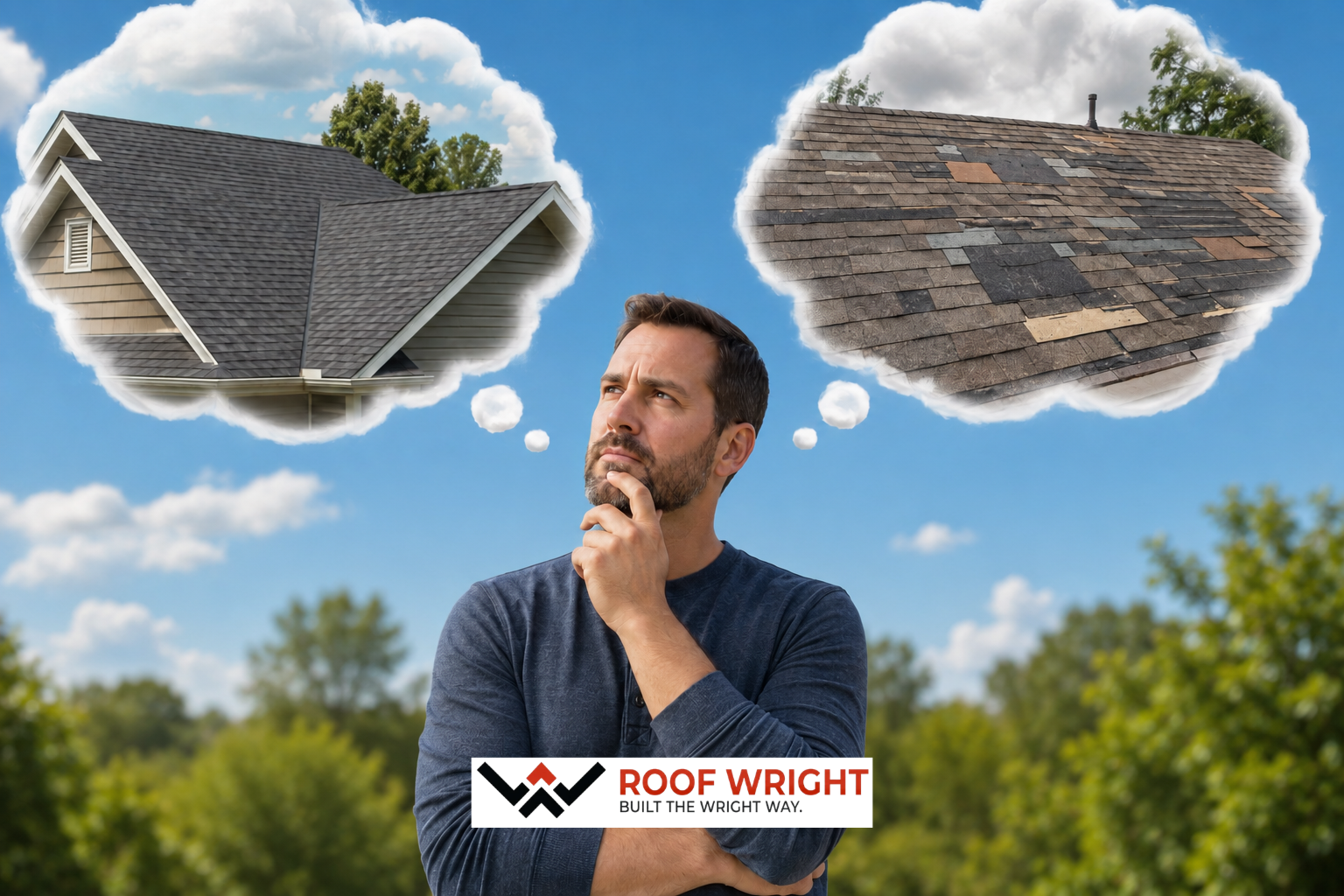
When your roof starts showing its age, you're probably wondering: should you fix it or just get a new one? The decision hinges on how old your roof is, how bad the damage is, your budget, and how long you plan to stay put. Picking the wrong option might lead to more leaks, unexpected expenses, or headaches when the next storm rolls through.
This guide will break it down so you can easily tell the difference between repairing and replacing your roof, spot the early warning signs, and decide what's best for your home in the long run. Need help right now? Our roof repair and roof replacement services are here to guide you after a thorough inspection.
For more on weather risks, check out the National Weather Service's weather safety resources or FEMA's Building Science. Understanding what affects your roof is the first step to making a smart choice.
What Roof Repair Really Solves
Localized damage and short-term issues
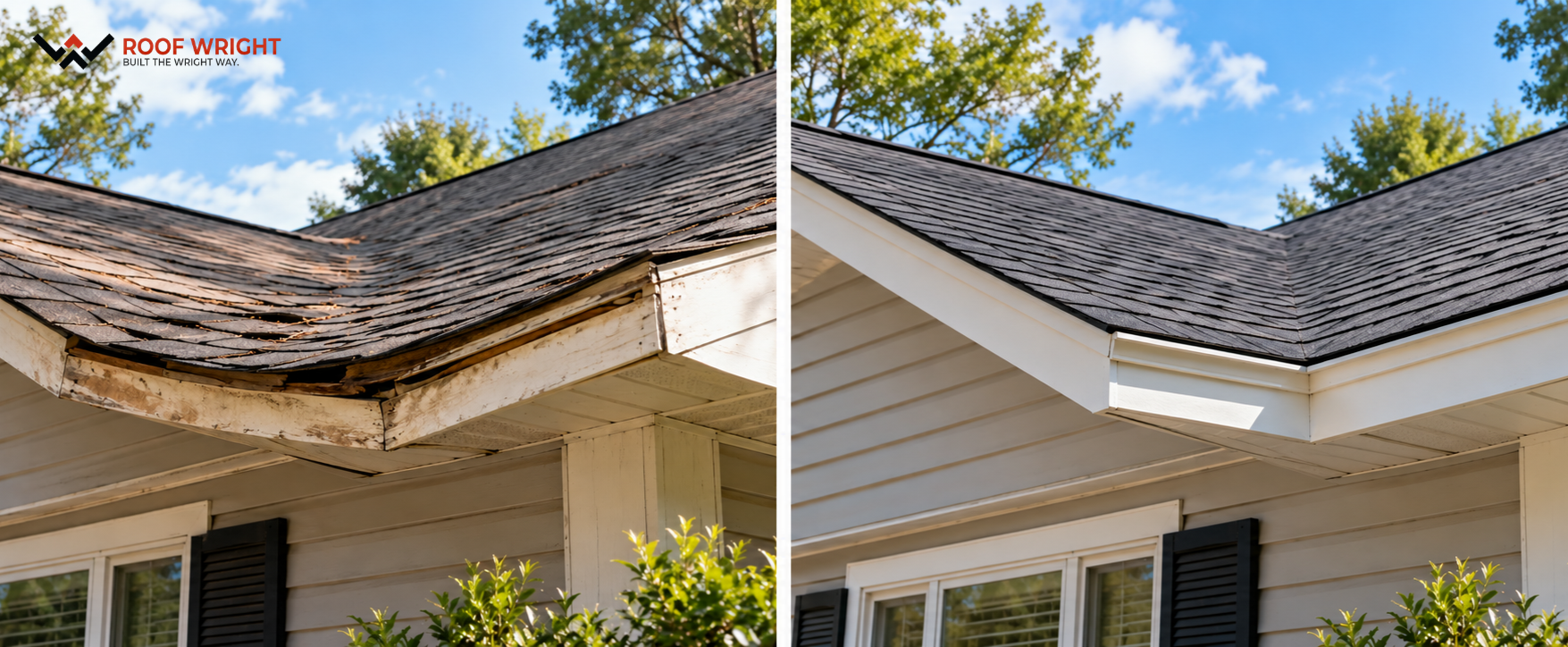
Roof repair is your go-to when the damage is just in one spot, and the rest of the roof is holding up well. Think missing shingles, a small leak around flashing, a few cracked tiles, or minor wind or debris damage. In these cases, a targeted repair can fix things up without the hassle and cost of a full replacement.
One big plus of repairing is that it's quick and efficient. If most of your roof is in good shape, a skilled contractor can handle the specific issue, seal weak spots, and give your roof more life. This means fewer expenses now and more time to plan for a future replacement at your convenience.
When a repair makes financial sense
Repairs often save money when the damage is minor, and the roof isn’t too old. Say your roof is just a few years old but took a hit from a storm; it might still have plenty of life left. In that case, replacing the whole thing would cost more and be unnecessary.
If you’re not sure whether the damage is minor, a professional inspection can clarify things. Many homeowners start with a local consultation and compare repair options with broader services like roof installation if the roof shows more serious wear. The key is matching the solution to the roof’s real condition, not just the visible problems.
Signs repair may be enough.
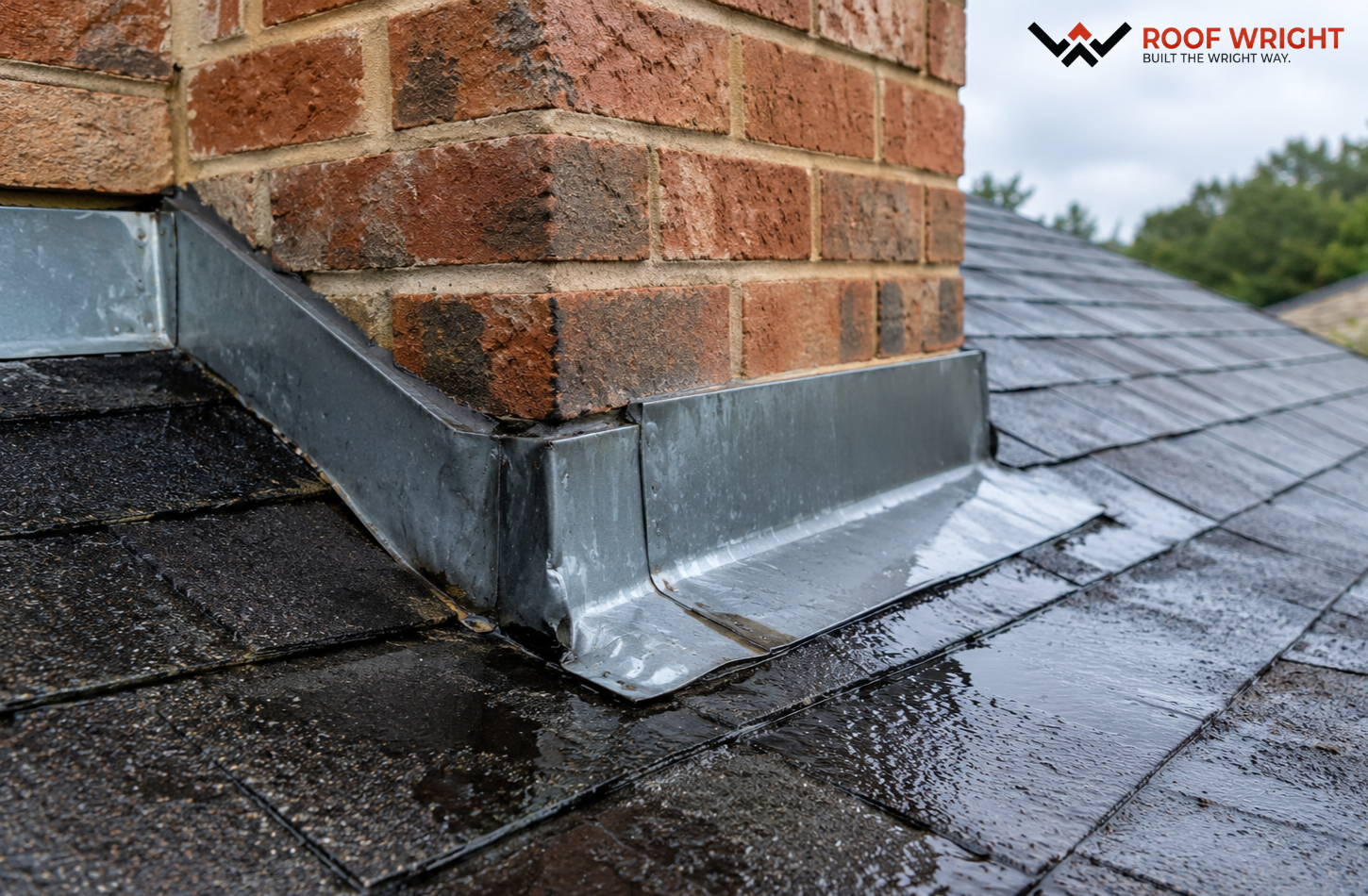
A repair might do the trick if you notice only a few issues, like one leak, a small patch of missing shingles, or some loose flashing around a vent or chimney. If the underlayment is intact, the decking is sound, and there's no widespread sagging or rot, a repair can often fix the problem neatly.
Recent maintenance makes the repair decision easier. A well-cared-for roof is more likely to bounce back from minor issues than one that's been neglected. Preventive care is important because it keeps the roof structure in good shape before small problems become big ones.
When Roof Replacement Is the Smarter Choice
Age and end-of-life deterioration
Every roof has its time, and when it's up, repairs won't cut it. Even if you stop one leak, an old roof may have brittle shingles, worn seals, or failing underlayment elsewhere. More issues could pop up right after you fix one.
Replacing the roof is smarter when it's too old to keep performing well. If your roof is nearing the end of its life, replacing it is often more cost-effective than frequent repairs. For more on material lifespans and when to replace, check out our article on roof lifespan for homeowners.
Widespread damage and recurring leaks
When damage is all over, replacement is usually the better value. A roof with repeated leaks, lots of missing shingles, large soft spots, or storm damage across several areas may not be a good repair candidate. In such cases, a patch may hide the issue temporarily but won't solve the underlying problem.
Recurring leaks are a red flag. If the same area keeps leaking after repairs, the problem probably runs deeper. Replacing the roof lets you rebuild the whole system correctly, which reduces stress, protects the home, and boosts confidence during hurricane season.
Structural and performance concerns
Sometimes the problem is bigger than just the roof surface. If moisture has reached the decking, rafters, or insulation, or if parts of the roof are sagging, replacement might be needed to restore safe performance. Don't ignore structural concerns because they can quickly worsen and lead to higher repair costs inside the home.
Replacement is also worth considering if you want better energy efficiency, a new look, or a more durable material. Homeowners in Florida often explore options like metal roofs or tile roofs for long-term durability and a polished look. Choosing the right roof can protect your investment for years.
Key Signs That Help You Decide
Look inside the home first.
Many roof problems show up inside before you see them outside. Water stains on ceilings, bubbling paint, damp insulation, and musty smells in the attic can all mean the roof isn't keeping moisture out. If you see several of these signs, the problem might be more than a simple surface repair.
Check the attic during or after heavy rain if it's safe. Light coming through the roof boards, wet framing, or constant moisture can point to serious damage. Don't wait too long if you spot these signs, as hidden water intrusion can damage drywall, framing, and even electrical systems.
Check the roof surface carefully.
From the ground, look for curling shingles, missing pieces, cracked tiles, rusted flashing, or bare patches where granules have worn away. These signs suggest aging, but how bad it is depends on how widespread the damage is. A few damaged areas might be repairable, while many might mean replacement is needed.
If your shingle roof shows isolated wear, a focused service like shingle roofing might restore protection. But if there are multiple problem areas and visible wear all over, replacement is usually the practical solution. A careful inspection helps distinguish cosmetic wear from real functional issues.
Consider your storm exposure.
Florida roofs face intense sun, heavy rain, strong winds, and hurricane risk, so storm exposure is crucial. Even a roof that looks okay from the street might have hidden weaknesses after a major storm. The Insurance Institute for Business & Home Safety has research on wind-resistant building practices at IBHS, which is a useful resource for understanding roof performance under severe conditions.
If your roof has weathered several storms, even minor damage may need a closer look. Over time, repeated exposure can weaken seals, fasteners, and surface materials. That cumulative wear often makes the difference between a repair that buys a little time and a replacement that truly solves the problem.
How to Compare Cost, Value, and Long-Term Risk
Repair costs versus replacement costs
Initially, repair almost always seems cheaper than replacement, and often it is. But consider the long-term cost, not just today’s. A low-cost repair that fails again in six months might end up costing more than a replacement that offers a longer period of reliable protection.
That's why an honest estimate should cover both the immediate price and the likely future costs. If a roof is near the end of its life, repeated repairs can become a spending cycle without solving the main issue. In that case, replacement might be more economical even though the upfront cost is higher.
Long-term value and home performance
A new roof can do more than stop leaks. It can boost curb appeal, improve energy efficiency, and ease the stress of emergency calls after storms. For those planning to sell, a replacement can make a property more attractive and easier to market.
Conversely, a repair might be the better choice if you need to save cash and the roof still has life left. The best decision balances budget, timeline, and the rest of the system's condition. Our roof replacement solutions are for homeowners seeking a long-term solution rather than a quick fix.
Hidden costs of waiting too long
Waiting too long to replace a failing roof can lead to hidden expenses. A small leak can cause insulation damage, mold growth, warped drywall, and staining that needs interior repairs. These extra costs often surprise homeowners because the original roof problem seemed minor.
Remember, emergency repairs after a big storm are usually more disruptive and more expensive than planned work. By acting early, you can avoid rushed decisions and schedule work when conditions are better. This often results in better workmanship, better materials planning, and less stress overall.
What a Professional Inspection Should Include
Exterior assessment
A good inspection starts with a detailed look at the roof surface, flashing, penetrations, valleys, edges, and drainage points. The contractor should find wear patterns, moisture entry points, and any signs of wind or impact damage. This helps you see whether the issue is isolated or widespread.
It’s also important to evaluate the roof from multiple angles, not just from the driveway. Problems often hide in less visible spots, such as around chimneys, skylights, vents, and where different roof planes meet. A careful exterior review helps avoid premature replacement or underestimating the problem.
Interior and attic review
An inspection shouldn’t stop at the house's exterior. The attic and interior ceilings can reveal moisture patterns, mold risk, ventilation problems, and structural concerns not visible on the roof surface. This is crucial after storms or when a leak has been active for a while.
According to the U.S. Department of Energy, ventilation and insulation play a big role in home durability and efficiency. You can explore this further in attic ventilation guidance. If these systems are compromised, roof problems can worsen faster, and the solution may require more than a simple surface repair.
Honest recommendations matter
The best roofing advice matches the actual condition of the home, not just the most expensive option. A trustworthy contractor should explain what can be repaired, what should be monitored, and what must be replaced. If you get a proposal recommending replacement without clear evidence, ask for more details and visual proof.
At Roof Wright LLC, inspections are meant to help you make clear, informed decisions. If you want a second opinion or a professional evaluation before moving forward, we can inspect your roof and walk you through repair, replacement, or maintenance options based on the evidence.
Material Matters: Different Roof Types Age Differently
Shingle systems
Asphalt shingles are popular because they’re affordable and fairly easy to repair. They can often be patched if the damage is limited, which makes them a practical choice for many homes. But when shingles become brittle, lose granules, or start curling over large sections, replacement becomes likely.
If your home has shingles and you’re seeing one or two isolated issues, a focused repair might restore the roof effectively. If the roof is older and the wear is widespread, replacement is usually the safer choice. That's where a detailed review from a roof repair professional can help you avoid guessing.
Metal and tile systems
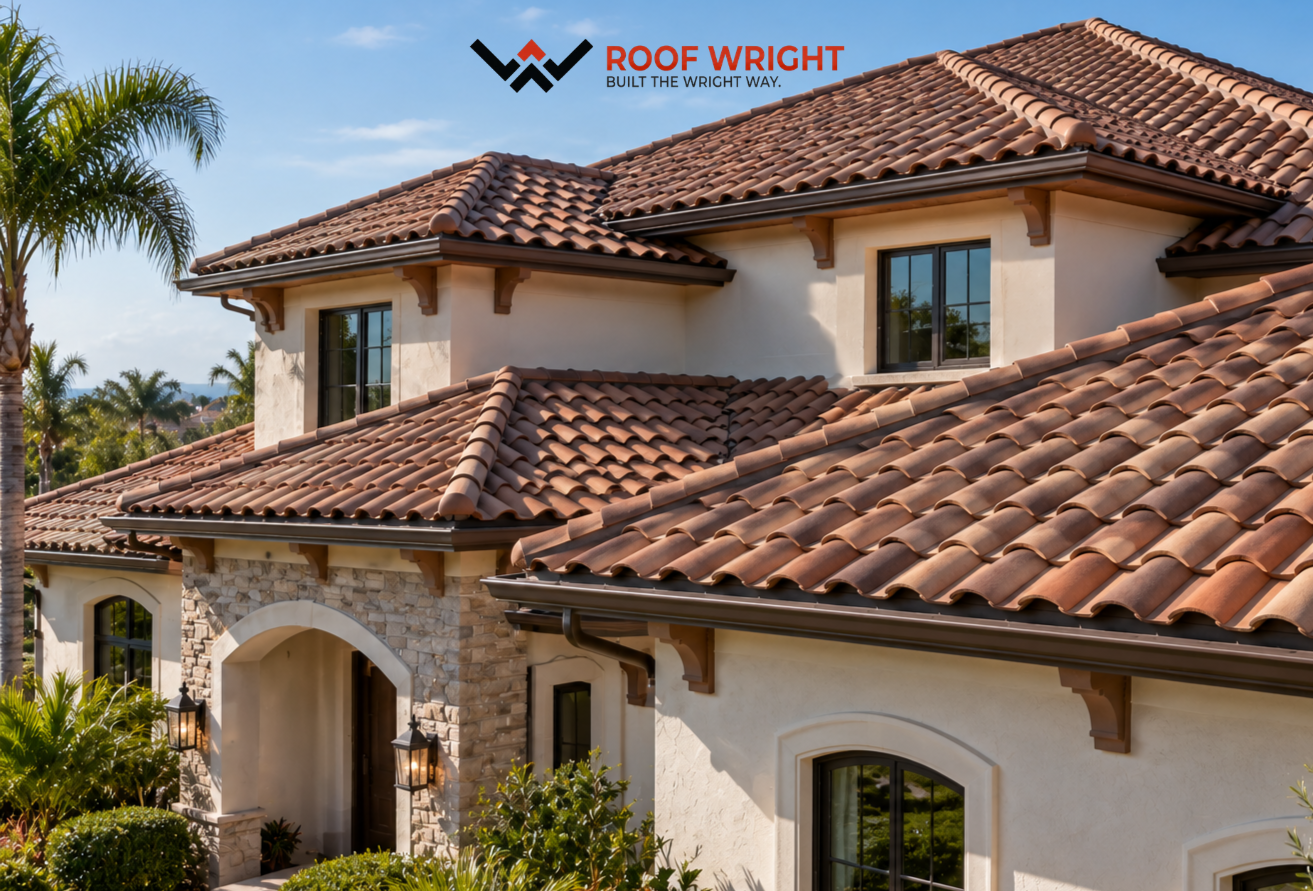
Metal and tile roofs often last longer than basic shingle systems, but they still need maintenance and occasional repair. Loose fasteners, broken tiles, corrosion, and seal failures can all cause leaks if not handled quickly. The upside is that high-quality systems can often perform well for many years when cared for properly.
Homeowners choosing between repair and replacement for these materials should consider both the condition of the visible surface and the supporting components underneath. If the surface looks okay but the underlayment or flashing has failed, replacement might be necessary even when the roof appears durable from a distance. That's why material-specific inspections are so important.
Why climate changes the equation
In a hot, humid, storm-prone climate, roofing materials age differently than they do in cooler regions. Sun exposure can dry out sealants, wind can lift edges, and heavy rain can expose weaknesses in the flashing system. Over time, this creates accelerated wear that may make replacement necessary sooner than expected.
That’s also why homeowners sometimes choose more resilient upgrades when replacing a roof. Services like metal roofs and tile roofs are popular among Florida property owners seeking stronger long-term performance and better weather resistance. The right choice depends on budget, home style, and future maintenance goals.
Decision-Making Checklist for Homeowners
Ask these questions first
- How old is the roof, and has it reached the end of its expected lifespan?
- Is the damage limited to one area, or is it spread across multiple sections?
- Have leaks happened before in the same location?
- Are there signs of sagging, rot, or interior water damage?
- Would repeated repairs cost almost as much as a replacement?
These questions help you think beyond the visible problem and focus on long-term value. If most answers point to isolated damage on a still-young roof, repair is usually the better path. If the answers point to age, recurring failure, or structural issues, replacement might be the smarter investment.
What to expect from a recommendation
A good recommendation should be based on inspection evidence, not guesswork. The contractor should be able to show you photos, explain the source of the problem, and discuss the likely lifespan of the repair or replacement. That level of clarity helps you compare options confidently.
If you’re still unsure after the inspection, ask for both scenarios: a repair estimate and a replacement estimate. That side-by-side comparison can reveal which choice offers the better value over time. In many cases, the difference in monthly cost is smaller than homeowners expect when spread over the life of the roof.
How to plan the next step
Once you understand the condition of the roof, make a plan that fits both urgency and budget. If repair is the right choice, schedule it quickly so the problem doesn't spread. If replacement is needed, start reviewing materials, warranties, and timing so the project can move forward without delays.
For homeowners in West Palm Beach and nearby communities, choosing a contractor who knows local weather patterns and building needs can make the entire process smoother. A local team can also help you prioritize the most practical roofing solution for your home and your long-term plans.
Frequently Asked Questions About Roof Repair and Replacement
Can a roof leak always be repaired?
No, not always. A leak can sometimes be fixed if the source is small and isolated, but repeated leaks or leaks caused by aging materials may indicate a larger system failure. The key is identifying whether the leak is a symptom of one damaged area or a sign of broader deterioration.
Is roof replacement always better than repair?
No. Replacement is better when the roof is old, extensively damaged, or structurally compromised. Repair is often the better choice when damage is limited, and the roof still has useful life left. The right answer depends on the condition of the entire system, not just one visible problem.
How do I know if storm damage is serious?
Storm damage is serious when it affects multiple areas, causes interior leaks, or exposes the roof deck. Even if the roof still looks intact from the street, hidden issues may exist after wind, hail, or heavy rain. That’s why post-storm inspections are so valuable.
Should I replace my roof before selling my house?
Sometimes yes, especially if the roof is at the end of its life or showing visible wear that could scare off buyers. A newer roof can improve marketability and reduce negotiation pressure. However, if a repair is enough to make the roof safe and functional, replacement may not be necessary before a sale.
Final Thoughts: Choose the Option That Protects Your Home Best
Deciding between roof repair and roof replacement is easier when you focus on the roof’s age, the extent of the damage, and the long-term cost of each option. Repairs make sense for isolated issues on a still-healthy roof, while replacement is usually the better choice when wear is widespread, leaks keep returning, or the system is near the end of its life. The goal is not to spend the least amount today, but to protect your home in the most reliable way over time.
If you are dealing with a leak, storm damage, or visible aging, don’t wait until the problem spreads. A professional inspection can give you clear answers and a practical plan, whether that means a targeted fix or a full replacement. If you are ready to move forward, contact Roof Wright LLC for expert guidance, dependable workmanship, and roofing solutions built for Florida homes. You can also explore our roof repair, roof replacement, and roof installation services to find the best fit for your property.