How Hail Damage Can Affect Your Roof Even If It Looks Fine
After a hailstorm, many homeowners take a quick look at the roof, see no obvious holes or missing shingles, and assume everything is fine. Unfortunately, hail damage is often subtle, cumulative, and easy to miss without a trained inspection. Your roof may seem okay for now, but the storm might have already weakened crucial parts and shortened its lifespan. If you're worried about your roof, a professional roof repair could catch hidden issues before they turn into costly problems inside your home.
This guide explains how hail damage affects roofs even when they look intact, the signs to watch for, and why a quick inspection matters. You'll also learn how different roofing materials react to hail, what insurance adjusters typically look for, and when to consider broader solutions like roof replacement or switching to metal roofs. For folks in Florida, the mix of hail, wind, and intense sun can turn minor damage into a big deal over time.
Did you know the National Weather Service says hail can range from small pellets to stones big enough to cause major property damage? Even smaller hail can bruise roofing materials or loosen protective granules over time. For storm safety tips, the National Weather Service hail safety page is a helpful resource. Understanding the threat is the first step toward protecting your home.
Why Roofs Can Be Damaged Without Visible Holes
Impact can weaken materials below the surface.
Hail doesn't have to punch holes in your roof to be a problem. When hailstones hit, they can compress, bruise, or crack the outer layer of shingles, tiles, or underlayment. You might not see the damage from the ground, but it can still reduce the roof’s ability to shed water and handle future weather. Over time, those hidden weak spots can become the source of leaks, mold growth, and rot.
Protective layers may be compromised.
Many roofs rely on multiple layers working together. Asphalt shingles need protective granules and a sealed surface, while tile roofs depend on each tile and the materials underneath. Even if the top surface looks fine, hail can mess up the waterproofing system beneath. That's why a roof can seem okay after a storm but still be vulnerable to the next rainfall.
Microcracks are easy to overlook
Small cracks are one of the most common forms of hidden hail damage. These tiny fractures are hard to spot unless someone inspects the roof closely, and they often get worse as the roof expands and contracts with heat. Florida weather can make this process worse because UV exposure and temperature swings put constant stress on roofing materials. A roof that seems unchanged today may start showing problems months later.
How Hail Affects Different Roofing Materials
Asphalt shingles often lose granules.
Asphalt shingles are among the most common residential roofing materials, and they're also one of the most likely to show hidden hail damage. Hail can knock off protective granules, exposing the asphalt mat underneath. Once that happens, the shingles age faster, absorb more heat, and become more prone to cracking. If you need help checking a shingle roof after a storm, shingle roofing expertise can reveal damage that isn’t obvious at a glance.
Tile roofs may crack or loosen.
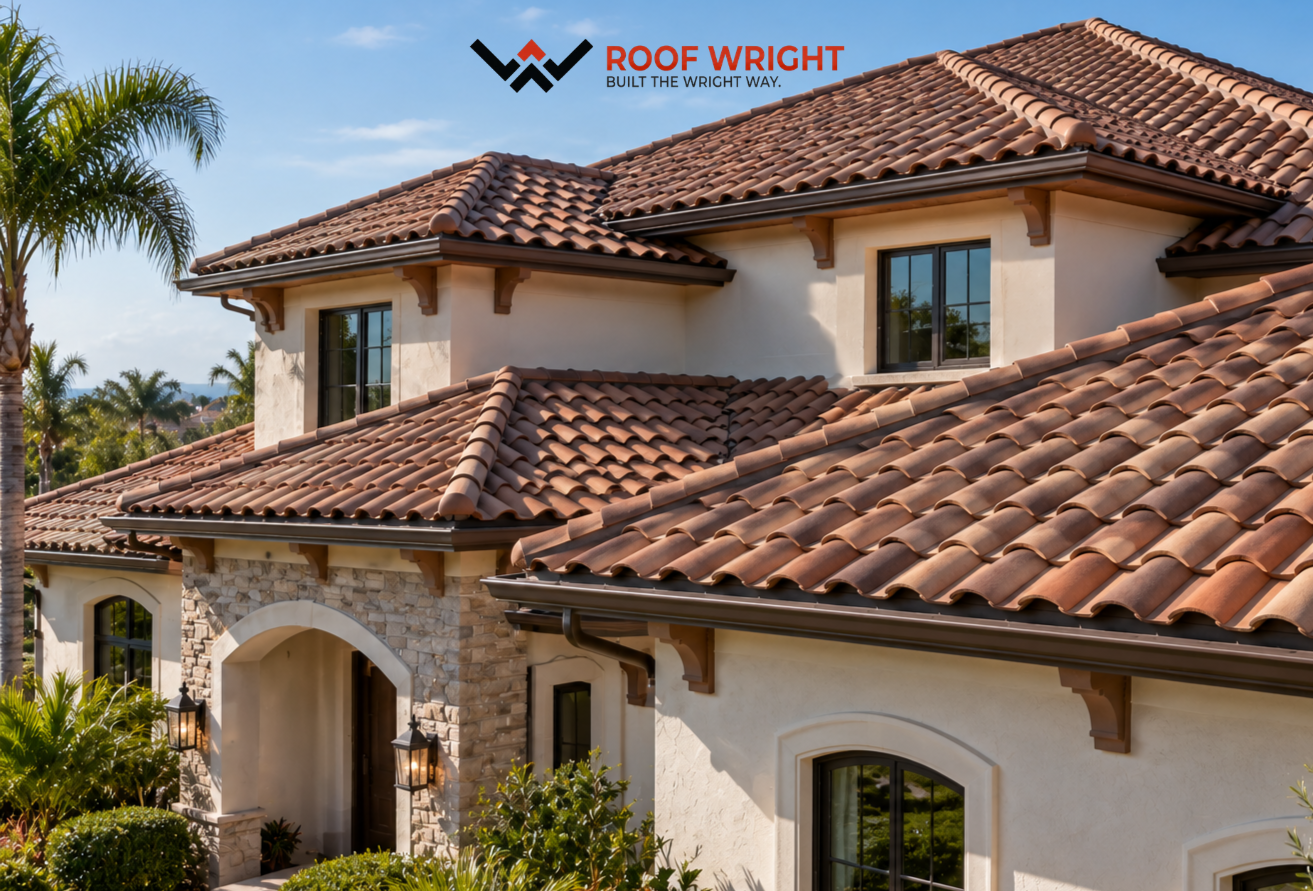
Tile roofing is known for its durability and curb appeal, but hail can still cause problems. Depending on the size and speed of the hail, tiles may develop hairline cracks, chips, or displaced edges. These defects can allow water to move beneath the tile surface, where it may damage underlayment and decking. Because tile roofs often hide the most serious problems below the visible layer, inspections are especially important after a storm.
Metal roofs resist hail differently.
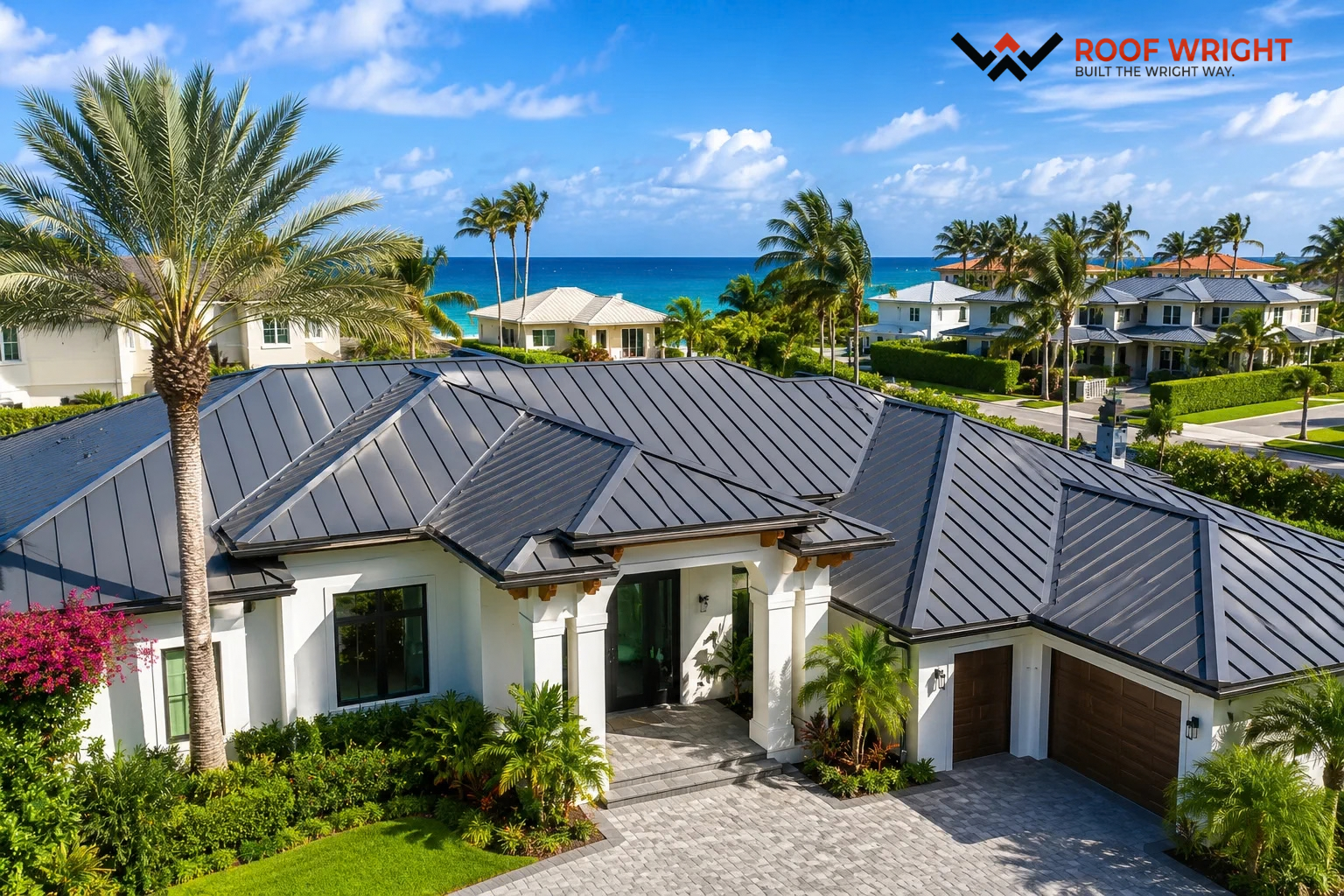
Metal roofs usually perform well during hail events, but they're not immune. Larger hail can dent panels, damage coatings, or stress fasteners and seams. In some cases, the functional performance remains intact, but the roof’s appearance and long-term corrosion resistance may be affected. Homeowners interested in stronger long-term protection often ask about metal roofs because of their durability and storm performance.
Signs of Hail Damage You Might Miss
Bruising and dark spots on shingles
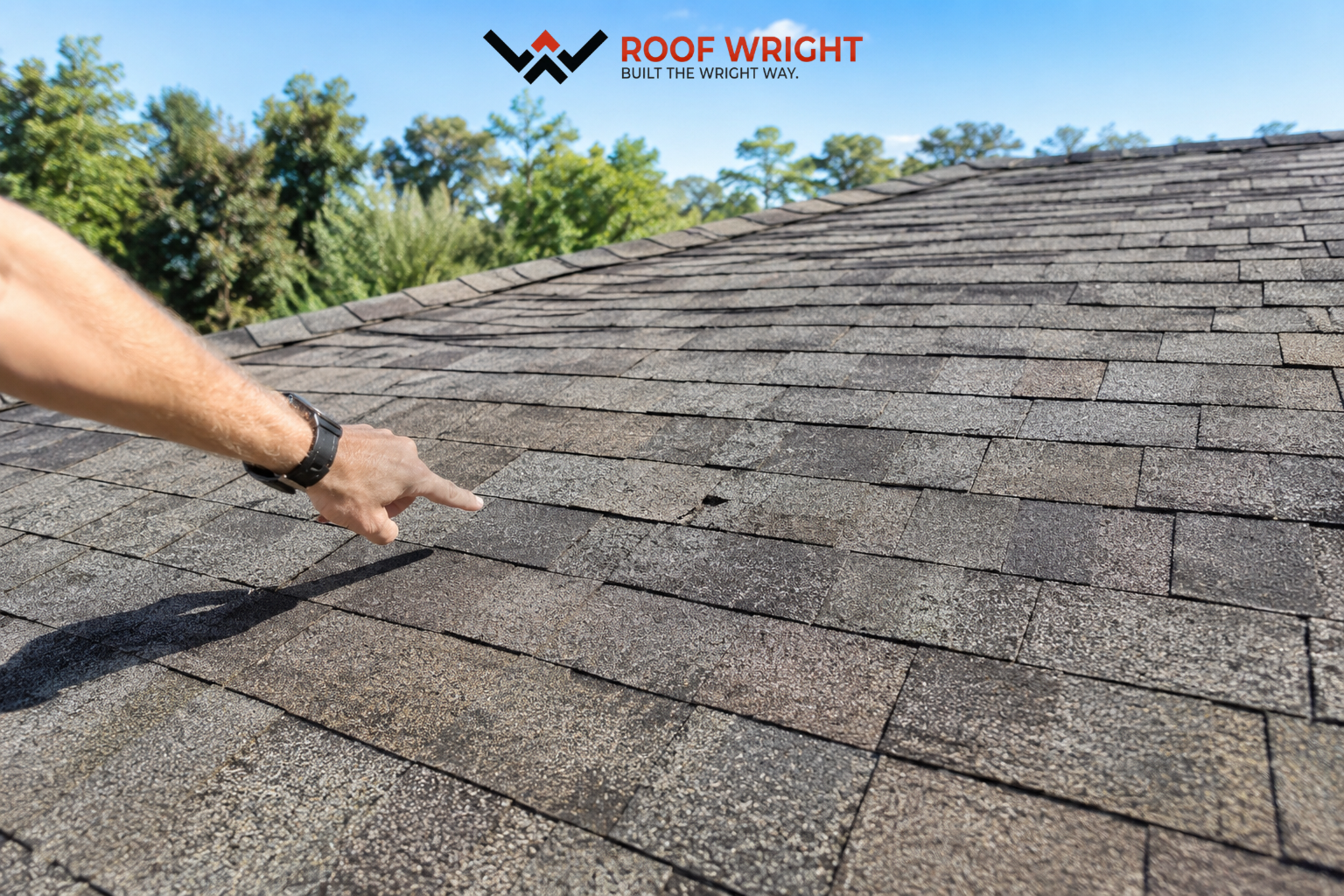
One subtle sign of hail damage is bruising, which can look like a dark spot or a soft area on a shingle. These bruises may indicate that the impact crushed the shingle mat underneath. If left unaddressed, bruised shingles can split open later when exposed to heat, wind, or heavy rain. A roof inspection after a storm can identify these problem areas before they become leaks.
Damaged flashing and vents
Hail doesn’t only affect the roof surface. Flashing, vents, ridge caps, and pipe boots can also be damaged, even if the roof deck itself looks fine. Small dents or loosened seals around these components can create slow leaks that are tough to trace. Because these details are often overlooked from the ground, a close inspection is the best way to confirm whether the storm caused hidden weaknesses.
Debris patterns and scattered granules
Another clue is the presence of roofing granules in gutters, downspouts, or around the base of the home. After a hailstorm, a small amount of granule loss is normal, but excessive buildup can signal accelerated wear. The University of Florida’s Extension resources often emphasize how climate and weather stress can shorten building material life, making routine assessment important for homeowners. You can also review educational storm-readiness information through UF/IFAS Extension for broader home maintenance guidance.
Why Hidden Damage Becomes Expensive Later
Small leaks can spread quietly.
A roof that looks fine today might already be letting in moisture. Since the leak path can be tiny, water may travel along rafters, insulation, or underlayment before showing up on ceilings or walls. This is why some homeowners only discover hail-related damage after water stains, peeling paint, or mold appear indoors. For more detail on those warning signs, see why you shouldn't ignore water stains on your ceiling.
Moisture can damage more than the roof.
Once water enters the attic or wall system, the damage can spread beyond the roofing materials themselves. Insulation can lose effectiveness, wooden framing can start to rot, and mold can develop in hidden spaces. Interior repairs often cost far more than a timely roofing fix, especially when the issue has gone unnoticed for weeks or months. What started as minor hail impact can quickly become a major restoration project.
Insurance timing matters
Many homeowners assume insurance will cover any storm-related roof issue, but claims can become more complicated if damage is discovered too late. Insurance companies often ask when the damage occurred, whether it was reported promptly, and whether maintenance was performed responsibly. A fast inspection creates documentation that can help support a claim if repairs are needed. For homeowners wanting to understand how roof condition affects long-term costs, our article on roof lifespan for homeowners in West Palm Beach is a useful next read.
What a Professional Hail Inspection Includes
Close visual evaluation
A professional inspection starts with a close review of the roof surface, flashing, vents, ridge lines, and penetrations. A trained roofer knows how to spot bruising, cracks, displaced materials, and impact marks that a homeowner may miss. The goal is not only to find obvious damage, but to identify structural vulnerabilities that could affect the roof later. That's especially important after a severe storm when subtle defects may be scattered across the entire system.
Attic and interior checks
An effective inspection should also include the attic and interior spaces. Moisture stains, damp insulation, or daylight coming through small roof openings can indicate that hail damage has already compromised the structure. Interior checks often reveal problems that the exterior alone cannot confirm. This step helps determine whether the roof is still performing properly or if repairs should be scheduled quickly.
Documentation for homeowners and insurers
Clear documentation is one of the biggest benefits of a professional inspection. Photos, notes, and material observations help homeowners make informed decisions and can support an insurance claim if needed. The Insurance Institute for Business & Home Safety explains that storm resilience depends on both construction quality and post-storm assessment, which is why documentation matters so much. If the damage is severe enough to require extensive work, professional roof installation may be the best path to restore long-term protection.
When Repair Is Enough and When Replacement Makes Sense
Repair is often the right choice for localized damage.
If hail affected only a small section of the roof and the rest of the system is still in good condition, targeted repair may be enough. This approach is common when only a few shingles are bruised, a vent cap is dented, or isolated flashing needs to be replaced. The key is to address the damage quickly before water intrusion starts. Professional roofers can also help determine whether repairs will blend properly with the existing roof.
Replacement may be smarter for widespread impact.
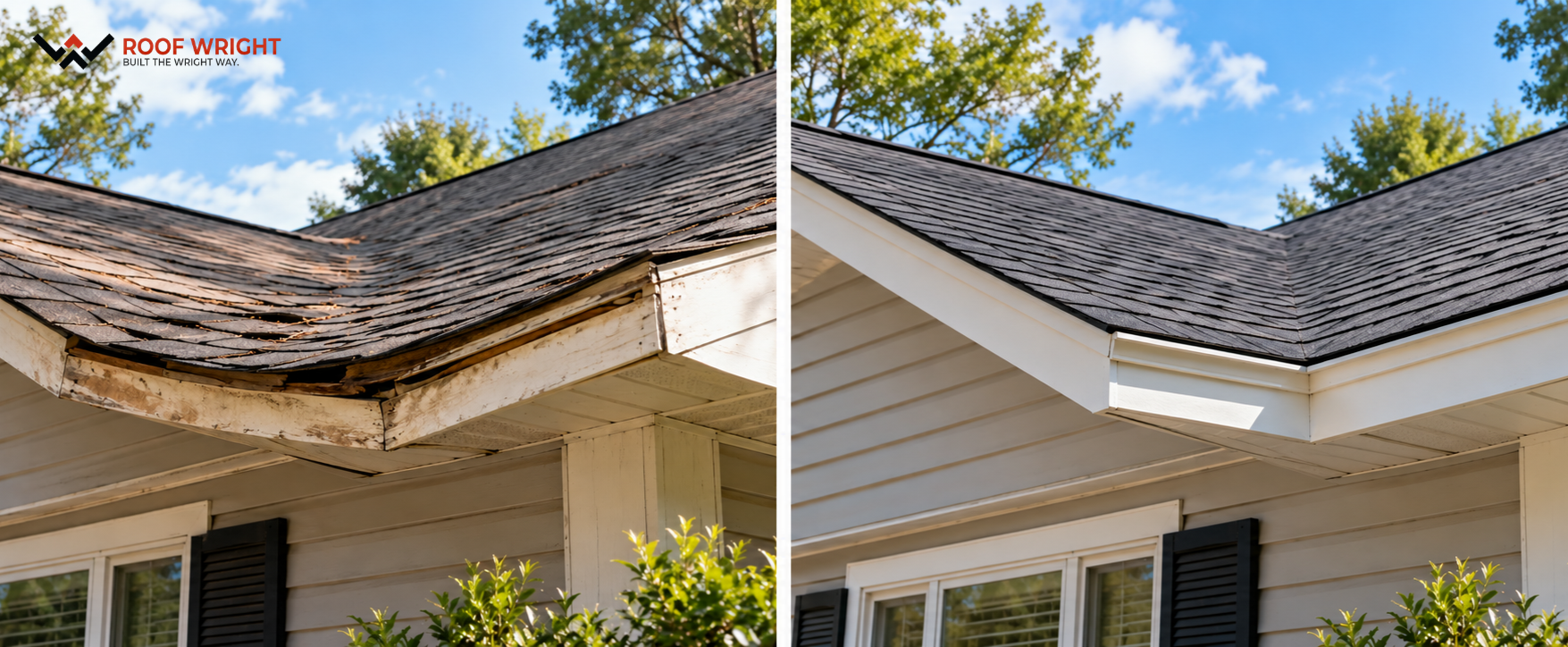
When hail damage is widespread, patching individual problem areas may not be cost-effective. A roof with multiple bruised shingles, cracked tiles, or compromised underlayment may need a full system refresh to restore dependable performance. In those cases, roof replacement can provide a cleaner result and better long-term value than repeated repair visits. Replacement also allows homeowners to upgrade materials for stronger storm resistance.
Climate and age should influence the decision.
The age of the roof matters just as much as the extent of the hail damage. An older roof that has already reached the end of its expected service life may not justify major repair work, especially if storms are likely to continue. Florida homeowners should weigh hail history, sun exposure, and roof age together when deciding whether to repair or replace. That broader perspective helps avoid investing in a roof that will need major work again soon.
How to Protect Your Roof After a Hailstorm
Act quickly after the weather clears
One of the smartest steps you can take after hail is to inspect the property as soon as it is safe. Look for damaged gutters, shingles on the ground, broken tile pieces, or signs of water intrusion inside the home. Even if nothing looks dramatic, schedule a professional assessment so hidden damage can be documented early. If storm damage has already created active leaks, prompt roof repair can reduce the risk of larger structural issues.
Keep records of the storm and the roof condition.
Take photos of hailstones, damaged landscaping, impacted siding, and any visible roof effects. Save weather reports, inspection notes, and contractor communication so you have a clear timeline if you need to file a claim. Good records can make the claims process more efficient and reduce disputes about when the damage occurred. They also help you track how your roof is aging over time after repeated storms.
Choose the right roofing partner.
Not every contractor has the same level of storm-damage experience. Look for a roofing partner who understands hail patterns, material-specific damage, and local weather conditions. Roof Wright LLC brings more than 50 years of industry experience to Florida homeowners who need informed recommendations and reliable workmanship. If you want broader guidance on selecting the right team, our post on finding the right roofing contractor in West Palm Beach, FL explains what to look for before hiring.
Materials and Upgrades That Improve Future Hail Performance
Impact-resistant roofing options
If your roof has been damaged more than once, it may be time to consider materials that handle storms better. Impact-resistant shingles, upgraded underlayment, and stronger fastening systems can improve long-term resilience. These products won't make a roof storm-proof, but they can reduce the likelihood of repeated hail-related repairs. In climates with intense weather, choosing better materials upfront often saves money over the life of the roof.
Tile and metal can be strong long-term choices.
For many homeowners, tile and metal are attractive because they combine durability with strong curb appeal. Tile roofs offer a classic look and solid resistance to many weather conditions, while metal roofing is known for longevity and excellent wind performance. The best choice depends on your home, budget, and maintenance goals. If you're comparing options, our services for tile roofs can be helpful for understanding how the system performs in Florida conditions.
Maintenance extends performance
Even a strong roof benefits from regular maintenance. Cleaning debris, checking seals, and addressing small problems early can extend the roof’s useful life. The Federal Emergency Management Agency recommends routine inspection and preparedness planning to reduce storm-related losses, and that advice applies well to roofs too. You can review general storm preparedness guidance from Ready.gov to better understand how weather events affect homes in coastal regions.
Frequently Asked Questions About Hidden Hail Damage
Can a roof look fine and still be damaged by hail?
Yes. Many roofs sustain hidden bruising, granule loss, cracked seals, or microfractures that aren't visible from the ground. These issues may not cause immediate leaks, but they can shorten the roof’s lifespan and increase the chance of future problems. That's why inspections matter even when the roof appears normal.
How soon should I inspect after a hailstorm?
As soon as it is safe, you should check the property and arrange a professional inspection. The faster you identify damage, the easier it is to document the event and make informed repair decisions. Early action also helps prevent moisture from entering the home through small hidden openings. If you notice any concerns, schedule an assessment right away.
What if I only see minor cosmetic damage?
Cosmetic damage can still matter, especially if it affects protective coatings, seals, or the way the roof sheds water. A small dent or bruise may seem harmless now, but it can become a problem later when the roof is exposed to wind, heat, or another storm. A trained roofer can help you decide whether monitoring, repair, or replacement is the best option. Cosmetic issues should never be dismissed without a closer look.
Final Thoughts: Don’t Wait for a Leak to Prove the Problem
Hail damage is often more dangerous when it is hidden. A roof can look intact from the street while still carrying bruises, cracks, granule loss, and weakened seals that shorten its service life. The smartest move after a storm is to have the roof evaluated by a qualified professional who can identify both visible and invisible damage. Whether you need minor repairs, a full inspection, or advice on upgrading to a more resilient system, getting ahead of the problem can save time, money, and stress.
If your home has recently been through a hailstorm, don't wait for a ceiling stain or active leak to tell you something is wrong. Contact Roof Wright LLC for a professional assessment and dependable guidance tailored to Florida homes. From quick roof repair to complete roof replacement, our team is ready to help you protect your home with confidence.